

The quiet stillness of a midnight nursery is a space shared by millions of parents across the globe. You pace the floor, rocking a restless infant whose tear-stained cheeks are warm against your shoulder.
You trace their jaw with a clean finger, feeling the hard, swollen ridge where a primary tooth is preparing to surface. In this quiet hour, it is profoundly comforting to realize that every generation of parents has stood exactly where you are standing now.
For thousands of years, families have navigated this exact developmental threshold. Yet, despite being a universal human milestone, teething remains shrouded in misconceptions, outdated advice, and conflicting old wives’ tales.
I am Elara Voss — Child Development Specialist & Infant Wellness Researcher. My professional mission is to combine the rigorous, peer-reviewed evidence of modern pediatric dentistry with a deep appreciation for the history of pediatric care.
This text is designed to be the definitive global encyclopedia on understanding teething in babies. We will explore how history viewed this milestone, break down the cellular biology of oral pain, map out the eruption timelines, and look into the future of infant oral health.
PART 1 — THE PAST
How Humanity Has Understood Teething Through History

To appreciate the safety of modern infant care, we must first look back at the historical ideas surrounding primary tooth eruption. For centuries, teething was not viewed as a normal growth phase, but as a dangerous and frequently fatal disease.
In ancient Egypt, medical papyri show that healers attributed infant crying and gum swelling to spiritual imbalances or localized heat. Their remedies relied on topical applications of natural mixtures, blending honey, sweet milk, and ground botanicals to soothe inflamed oral tissues.
By the time of ancient Greece, the perspective shifted toward early structural medicine. Hippocrates, the father of western medicine, was the first to explicitly write about infant tooth development.
He noted that as teeth began to move, infants experienced localized itching, gum irritation, and systemic fevers. However, because ancient science lacked an understanding of germs, Hippocrates believed the physical pressure of the tooth itself caused toxic fluids to build up in the body.
In ancient Rome, medical writers like Pliny the Elder recommended using animal fats, particularly goose grease, massaged directly onto the gums to soften the oral tissue. As Europe moved into the Middle Ages, medicine drifted back into superstition.
Infants were often made to wear protective charms, amulets, or necklaces made of wolf teeth and animal bones. It was believed these charms would magically draw the teething pain out of the jaw and shield the child from childhood illnesses.
The darkest era of infant oral care occurred between the sixteenth and nineteenth centuries. Doctors blamed teething for a massive percentage of infant mortality. To “cure” this, surgeons practiced a brutal technique known as gum lancing or scarification.
Using a scalpel or a sharp lancet, doctors cut directly through a baby’s swollen gums to let the tooth out. This barbaric practice caused severe bleeding, fatal infections, and profound trauma. It was thankfully abandoned in the early twentieth century as clinical pediatric research emerged.
The mid-twentieth century brought a welcome return to safety. Researchers began conducting structured clinical trials, proving that tooth eruption was a normal physical process.
They cleared teething of causing severe childhood illnesses, setting the stage for the safe, non-toxic, and anatomically engineered silicone tools we rely on today.
⚠️ AGELESS CAUTION: These practices come from traditions, often thousands of years old. They have not been validated by modern controlled scientific studies. They may carry risks of allergy, choking, toxicity, or simple ineffectiveness. They do not replace medical advice or proven treatment. Use at your own responsibility, and only after speaking with your child’s health professional.
PART 2 — THE PRESENT
The Biology of Teething: What Is Actually Happening Inside Your Baby’s Mouth
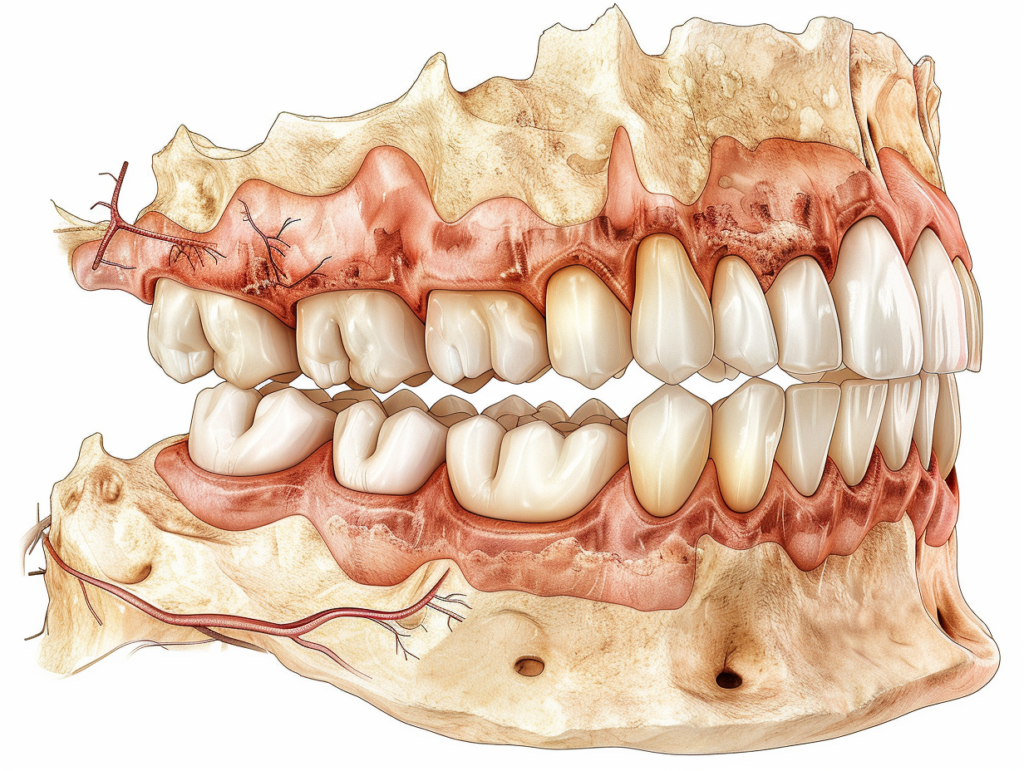
When analyzing understanding teething in babies, we must look beneath the surface of the gums to examine the cellular mechanics of tooth eruption. Understanding teething in babies starts with the biology happening beneath the gums.
Teething is not a simple cutting motion; it is a highly coordinated process of bone remodeling and tissue adaptation.
Long before a tooth breaks through the surface, the primary tooth crown must migrate through the dense alveolar bone of the jaw. This movement is driven by specialized cells called osteoclasts and osteoblasts.
Osteoclasts remove bone tissue ahead of the rising tooth to create an open pathway, while osteoblasts build new bone behind it to push the tooth upward.
Once the tooth moves past the bone, it encounters the thick, vascular gingival tissue (the gums). The pressure of the crown causes the gum tissue to stretch, leading to a localized inflammatory response.
The body sends an influx of blood and inflammatory fluids to the area, resulting in edema (swelling) and tenderness. This process releases cellular signaling molecules called cytokines, which sensitize local nerve endings and cause a dull, throbbing ache.
Why Do Some Babies Suffer More Than Others?
Every infant experiences this cellular journey differently due to several biological variables:
- Alveolar Bone Density: Babies with denser jawbone structures require more cellular remodeling, which can prolong the time a tooth spends moving through the bone.
- Neurological Pain Thresholds: Every child’s nervous system is uniquely wired, meaning some infants are naturally more sensitive to inflammatory signals than others.
- Anatomical Variations: Wide, multi-cusped teeth like molars create a larger area of inflammation than sharp, narrow front incisors, which leads to varying levels of discomfort.
The Complete Primary Teeth Eruption Chart
While the exact timing of when do babies start teething varies, primary teeth generally erupt in a predictable, symmetrical sequence. The chart below details the standard biological timeline for the twenty primary teeth:
| Eruption Order | Primary Tooth Group | Typical Age of Eruption | Developmental Role |
|---|---|---|---|
| 1st | Lower Central Incisors | 4 to 7 Months | Biting and cutting food; initial speech sounds. |
| 2nd | Upper Central Incisors | 8 to 12 Months | Crucial for guiding tongue placement during vocalization. |
| 3rd | Upper & Lower Lateral Incisors | 9 to 13 Months | Completes the front anterior biting wall. |
| 4th | First Primary Molars | 13 to 19 Months | Crushing and grinding early solid food textures. |
| 5th | Canines (Cuspids) | 16 to 22 Months | Tearing solid foods; maintains dental arch alignment. |
| 6th | Second Primary Molars | 25 to 33 Months | Provides final posterior chewing support. |
Rare Anomalies: Natal and Neonatal Teeth
In very rare instances, the standard baby teething stages timeline is shifted. Approximately one in every two thousand babies is born with teeth (natal teeth) or develops teeth within the first thirty days of life (neonatal teeth).
These are typically mobile, poorly formed primary incisors. While they require careful monitoring by a pediatric dentist to ensure they don’t pose a choking hazard or interfere with breastfeeding, they are a completely real biological variation.
The Neuroscience of Teething Pain
To understand why a baby shifts from calm to highly distressed during a teething surge, we must look at the neural pathways linking the jaw to the brain.
Oral pain signals are captured by the trigeminal nerve, the primary sensory highway for the face and jaw. Within the swollen gum tissue, pain is carried by thin, slow-conducting nerve fibers called C fibers.
When your baby bites down firmly on a hard or textured object, they activate a completely different set of nerves: the large, rapid-conducting A-beta fibers, which carry the sensation of physical pressure.
According to the Gate Control Theory of Pain, these rapid pressure signals travel to the brain stem much faster than slow pain messages. By filling the neural pathway with safe pressure sensations, the teether effectively “closes the gate” on pain signals, providing your baby with rapid, non-medicated comfort.
The Benefits of Localized Cryotherapy and Proprioception
Chilling a teething tool introduces the added benefit of localized cryotherapy. The cool temperature causes blood vessels in the swollen gums to constrict, reducing the flow of inflammatory fluids and lowering cytokine production.
This cold input also slows down nerve conduction velocity, gently numbing the aching area.
Simultaneously, this oral exploration feeds the baby’s proprioceptive system—the sensory network that maps out body awareness. Navigating different shapes and textures helps the brain create an internal map of the mouth, which is essential for tongue control, coordinated swallowing, and future speech development.
Separating Fact From Fiction: The Definitive Symptom Guide
When an infant is fussy, it is incredibly easy to blame teething for every change in behavior. However, clinical studies show that teething symptoms are strictly localized to the mouth and face.
The table below uses guidelines from the AAP and FDA to help parents separate true teething symptoms babies display from signs of standard childhood illness:
| Behavioral Sign | True Teething Symptom | Myth / Not Teething (See Doctor) |
|---|---|---|
| Body Temperature | Slight elevation (≤37.9°C / 100.2°F): A mild rise due to localized gum inflammation. | True High Fever (≥38°C / 100.4°F): Indicates an active systemic infection or virus. |
| Stool Consistency | Normal: No change in bowel mechanics or digestive health. | Diarrhea: Watery, frequent stools are caused by bugs, never by saliva. |
| Saliva Production | Profuse Drooling: Nerve stimulation hyper-activates the salivary glands. | Dehydration Signs: Dry mouth, lack of tears, or fewer wet diapers. |
| Ear Manipulation | Occasional Rubbing: Shared nerve pathways can cause discomfort to radiate to the ear. | Persistent Ear Pulling / Crying: Often points to fluid buildup or an inner ear infection. |
| Skin Alterations | Mild Perioral Rash: A surface irritation on the chin caused by contact with excess drool. | Widespread Body Rash: Points to a viral infection or allergic reaction. |
| Gastrointestinal | Normal Appetite Shifts: Temporary avoidance of warm foods due to gum sensitivity. | Vomiting: A systemic digestive symptom that requires pediatric attention. |
Exporter vers Sheets
The Science of Safe Relief: What Actually Works
When managing your baby’s discomfort, look for strategies backed by clear scientific evidence. Here is a breakdown of effective relief methods, ranked by clinical reliability:
1. Manual Gum Massage (Evidence Level: Strong)
Thoroughly wash your hands and use the pad of your index finger to apply firm, steady, circular pressure directly over your baby’s swollen gums. This manual friction helps move stuck inflammatory fluids out of the tissue, providing instant comfort.
2. Chilled Teethers — Refrigerator Only (Evidence Level: Strong)
Cooling a safe teething toy in the refrigerator provides reliable, non-medicated cryotherapy. The cool temperature narrows local blood vessels and numbs the ache. Never use the freezer, as frozen objects can freeze the skin and damage delicate oral tissues.
3. Textured Silicone Teethers (Evidence Level: Strong)
High-purity, food-grade silicone teethers offer excellent structural support. The material yields slightly to bite force, absorbing the impact of hard chewing while distributing therapeutic counter-pressure across the gums.
4. Skin-to-Skin Contact & White Noise (Evidence Level: Moderate)
The nervous system doesn’t process pain in a vacuum. Gentle skin-to-skin contact releases oxytocin, which helps lower stress hormones, while low-frequency white noise helps soothe a hyper-aroused brain.
5. Acetaminophen — As a Guided Last Resort (Evidence Level: Strong)
If your baby is in severe pain that prevents them from sleeping or eating, talk to your pediatrician about using infant acetaminophen. This should be used strictly according to their dosage instructions as a temporary last resort.
Choosing the Perfect Teether: Elara’s 2026 Evaluation Framework
To help parents look past clever marketing, I use a strict five-point framework to evaluate teething toys. A high-quality tool must achieve top scores across these key categories:
- Material Purity Score (1-5): Must be 100% food-grade or medical-grade silicone, completely free from BPA, phthalates, and heavy metals.
- Anatomical Safety Score (1-5): Must feature a single, solid piece of molded material with zero joints or small parts that could present a choking hazard.
- Posterior Accessibility Score (1-5): Must be shaped to safely reach the back corners of the mouth to soothe emerging molars without triggering a gag reflex.
- Ergonomic Usability Score (1-5): Must include a hollow center or easy-to-grip design that supports a 3-month-old’s early palmar grasp.
- Hygiene Maintenance Score (1-5): Must have a non-porous surface that can withstand high-temperature steam or dishwasher sterilization.
Elara’s 2026 Top Picks
Based on this evaluation framework, these specific products stand out as excellent tools for your baby’s development:
- Happy Crab Silicone Teether — 360° multi-textured relief, 3M+
- Little Dino Wearable Teether — Anti-drop, stays on hand all day
- Gentle Elephant Silicone Teether — Trunk reaches posterior molars
What to Absolutely Avoid in 2026
As a researcher, I must warn parents against several popular teething products that carry severe health risks and are discouraged by global health authorities like the FDA and AAP.
Amber Teething Necklaces
The claim that amber releases anti-inflammatory succinic acid when warmed by the skin has been thoroughly debunked by chemical analysis. More importantly, placing a corded necklace around an infant’s neck presents a documented risk of strangulation and sudden choking if a bead breaks off. They have no place in a safe nursery.
Topical Numbing Gels
Over-the-counter teething gels containing benzocaine or lidocaine are quickly washed away by excess saliva, making them largely ineffective.
Furthermore, benzocaine carries a rare but life-threatening risk of causing methemoglobinemia—a serious condition that dangerously reduces the amount of oxygen carried through your baby’s bloodstream.
Homeopathic Teething Tablets
Unregulated manufacturing processes in some homeopathic teething tablets have historically led to unpredictable concentrations of toxic plant extracts, such as belladonna. Because of these safety blind spots, major health organizations advise against using them.
Frozen Teethers & Rubbing Alcohol
As mentioned before, hard, frozen objects can cause cryo-burns to delicate oral skin. Additionally, an old myth suggests rubbing alcohol onto a baby’s gums to numb the pain. This is incredibly dangerous; even tiny amounts of alcohol can be toxic to an infant’s developing system.
PART 3 — THE FUTURE
The Future of Teething Science: What Researchers Are Exploring
The science of pediatric oral health is evolving rapidly, with researchers looking far beyond simple teething rings to discover how early oral development impacts long-term health. Understanding teething in babies today means looking at where science is heading tomorrow.
1. Teething and the Oral Microbiome
Exciting clinical studies show that the environment inside a baby’s mouth during tooth eruption helps shape their oral microbiome.
The combination of increased saliva production, localized inflammation, and the emergence of hard enamel surfaces creates a unique environment for beneficial bacteria. Emerging research suggests that a balanced oral microbiome during infancy may influence systemic health and future dietary preferences.
2. Neuro-Inflammation and REM Sleep Disruptions
Sleep researchers are taking a closer look at exactly why teething disruptions intensify during the night.
Current studies show that the local release of inflammatory cytokines during a teething surge interacts directly with the central nervous system, affecting sleep architecture. This mild neuro-inflammation can disrupt deep REM cycles, explaining why infants wake frequently even before a tooth breaks through the surface.
3. Next-Generation Smart Materials
Materials science is making incredible leaps. Researchers are currently development-testing advanced polymers designed specifically for infant care:
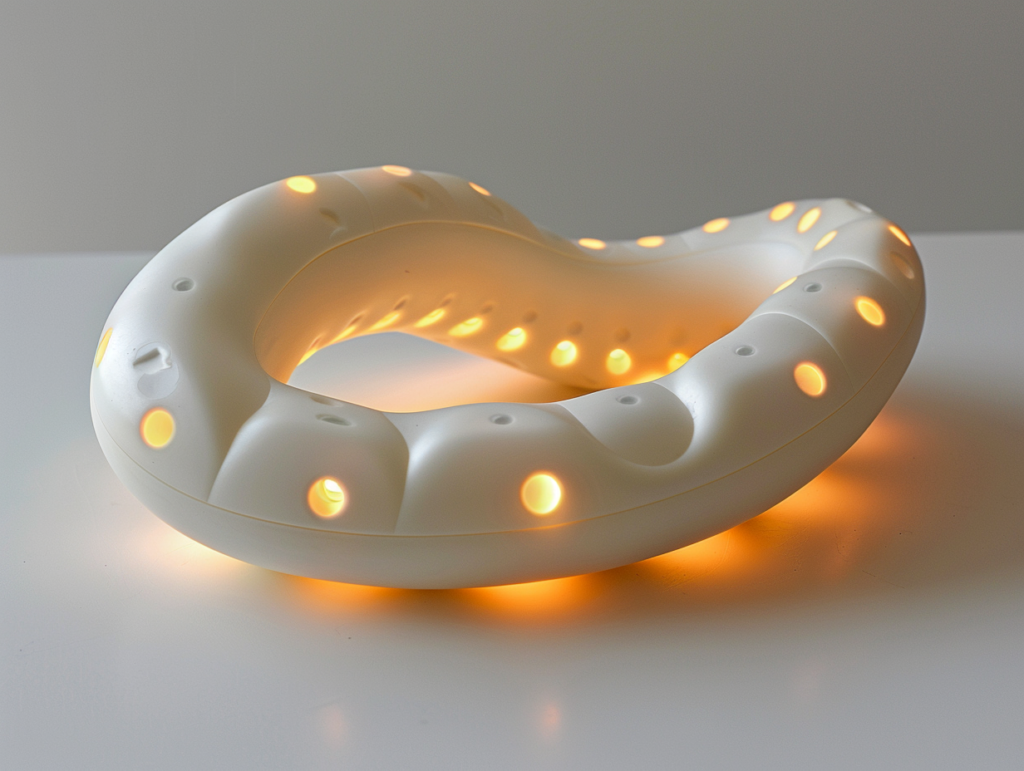
- Antimicrobial Silicone: Silicone infused with trace amounts of zinc or silver ions to naturally repel bacteria without chemical leaching.
- Thermochromic Smart Polymers: Teethers that change color to let parents know when the toy has reached the perfect, safe temperature for cooling relief.
- Bioactive Textures: Surfaces engineered to mimic the natural texture of clean skin, providing a familiar, comforting sensory experience.
Will Baby Teeth Care Change by 2030?
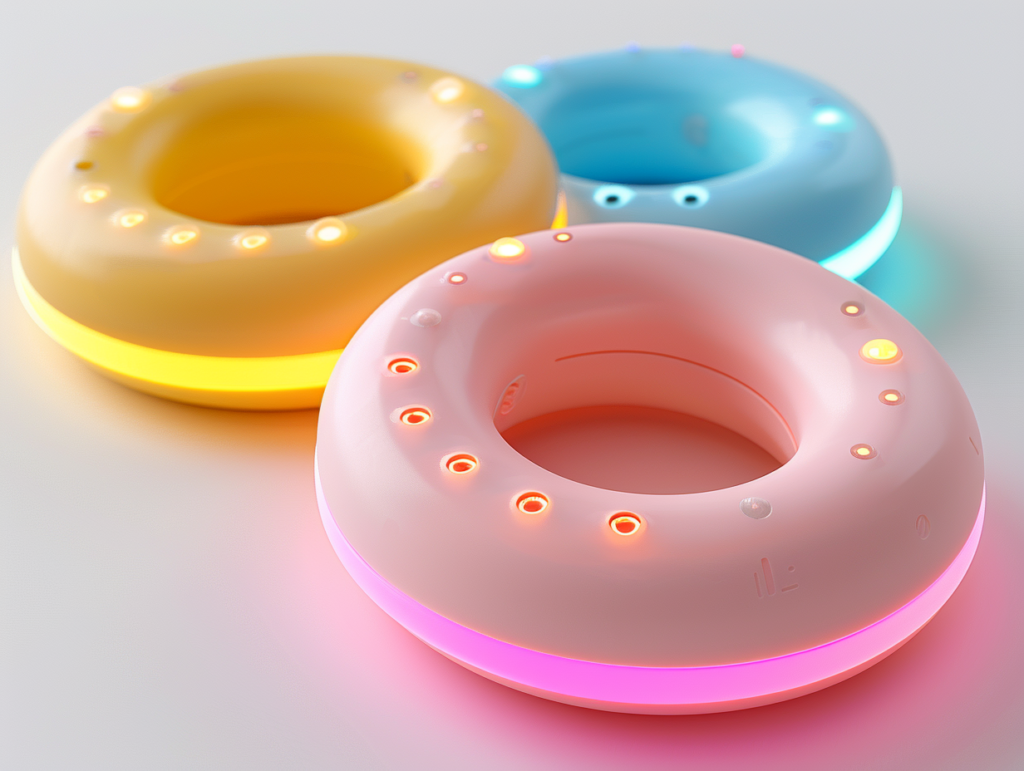
By the end of the decade, the way we monitor and care for infant oral health will likely be highly integrated and tech-assisted. We are already seeing prototypes of connected teething devices equipped with soft, flexible sensors.
These smart teethers can measure bite force, track localized temperature shifts, and send real-time data to an app on your phone, accurately predicting exactly which tooth is moving and when it will surface.
Additionally, pediatric dental care is moving toward preventative teledentistry. AI-powered scanning apps will allow parents to take a quick photo of their baby’s mouth and receive immediate feedback from a specialist.
This tech-forward approach will be paired with an increased focus on sustainable, biodegradable materials, ensuring that future oral care products protect both your baby’s health and the planet.
PART 4 — FAQ ULTIME

15 Questions Every Parent Asks About Teething (Expert Answers)
These are the 15 questions parents ask most about understanding teething in babies.
1. When do babies start teething exactly?
Most infants begin showing early signs of teething around 4 to 7 months of age, typically starting with the lower front incisors. However, this is a broad biological window; it is completely normal for a baby to show their first tooth as early as 3 months or as late as 12 months.
2. My baby is 8 months old with no teeth — should I worry?
Not at all. Delays in tooth eruption are common and usually just a reflection of your child’s individual growth timeline. Clinical guidelines state that you do not need to seek an evaluation for delayed eruption until your baby reaches 18 months of age without a first tooth.
3. Why does my baby seem worse at night?
When a baby lies flat to sleep, the change in position causes blood pressure to shift toward the head. This increased pressure makes the inflammation in their swollen gums feel much more intense. Furthermore, without daytime sights and sounds to distract them, the baby becomes fully focused on the throbbing ache in their jaw.
4. Can teething cause a runny nose?
Teething can cause mild congestion or a clear, runny nose, but only due to localized anatomy. The nerves that trigger excess saliva production also stimulate the nasal membranes. However, if the nasal discharge is thick, green, or accompanied by a cough or fever, your baby has a cold or virus, not a teething symptom.
5. Is it normal for teething to last years?
Yes, the entire process takes time. The journey from the first front incisor to the final back molar spans from roughly 6 months to nearly 3 years of age. While the teeth erupt in distinct waves rather than a constant push, how long does teething last is ultimately a multi-year developmental phase.
6. Should I use teething gel or not?
As an infant wellness researcher, my advice is to avoid medicated teething gels entirely. Global health organizations advise against them due to the serious risks associated with ingredients like benzocaine and lidocaine. Safe, physical counter-pressure and chilled toys are a much more effective, non-toxic choice.
7. How do I know which tooth is coming in?
You can predict which tooth is moving by looking at standard dental symmetry. Teeth almost always erupt in pairs, moving from the front of the mouth toward the back. If you notice swelling on the lower front left gum, the lower front right tooth will usually follow closely behind.
8. Can I put the teether in the freezer?
Please do not freeze your baby’s teething toys. Freezing temperatures can make silicone or plastic too hard, which can bruise inflamed gums. More importantly, extreme cold can cause frostbite or cryo-burns to the delicate, sensitive skin inside your baby’s mouth. Stick to the refrigerator instead.
9. My baby won’t eat during teething — what do I do?
It is very common for babies to temporarily refuse warm purees or milk because the heat increases blood flow to their already sensitive gums. Try chilling their milk, offering cold fruit purees (if they have started solids), or letting them chew on a cold teether right before a meal to help numb the area.
10. Does breastfeeding help with teething pain?
Yes, breastfeeding is an excellent source of natural relief. The physical act of nursing provides steady, comforting counter-pressure along the jaw line. Additionally, the skin-to-skin contact triggers a release of oxytocin in both you and your baby, which naturally lowers stress and reduces pain perception.
11. At what age should I first take my baby to the dentist?
Both the AAP and AAPD recommend scheduling your baby’s first dental visit as soon as their first tooth erupts, or by their first birthday—whichever comes first. This early visit is focused on preventative care, helping you set up a safe oral hygiene routine and check for early development.
12. Can teething cause diaper rash?
Teething does not directly cause diaper rash. The myth exists because the excess saliva swallowed during a teething surge can sometimes slightly alter the pH of a baby’s stool, leading to mild skin irritation. However, a severe, blistering rash is usually caused by dietary changes or a yeast infection, not a new tooth.
13. How do I care for my baby’s first teeth?
The moment that first tooth breaks through the surface, oral care begins. Wipe the new enamel twice a day using a clean, damp cloth or a soft, infant-sized toothbrush with a tiny smear of fluoride toothpaste (no larger than a grain of rice) to protect the new surface from early childhood caries.
14. My baby is biting me while breastfeeding — help!
Babies often bite down near the end of a feeding session when they are full and shifting into a need for gum massage. If your baby bites, calmly slip your finger into their mouth to break the suction, remove them from the breast, and offer a dedicated teething toy instead. This helps them learn that nursing time is for eating, not chewing.
15. When does teething end completely?
For most children, the teething process wraps up around their second or third birthday. Once the second primary molars fully emerge at the very back of the mouth, your child will have their complete set of twenty primary teeth, bringing this challenging developmental chapter to a successful close.
The Verdict: A Parent’s Complete Teething Survival Toolkit
When it comes to understanding teething in babies, the most valuable lesson modern science can offer is that your baby’s comfort is completely within your hands. By looking past historical myths, dangerous trends, and unproven remedies, you can turn a midnight teething surge into a manageable, connected moment of care.
You don’t need a nursery filled with complicated gadgets or risky medications. Your ultimate survival toolkit is wonderfully simple: a clear understanding of your baby’s oral anatomy, the steady comfort of your touch, and a few safely engineered, multi-textured silicone tools chilled right in your refrigerator. Stay patient, trust the evidence, and remember that this intense growth phase is simply a beautiful sign of your child’s development. Understanding teething in babies is the first step toward confident, science-backed parenting.
👉 Shop Our Complete Teething Collection
👉 Read: Elara’s Complete Guide to Easing Teething Discomfort
Sources & References
- AAP — Teething Pain Relief, 2023
- FDA — Safely Soothing Teething Pain, 2023
- AAPD — Early Childhood Oral Health, 2022
- Memarpour et al. — Teething Symptoms Study, 2015
- Macknin et al. — Symptoms Associated With Infant Teething, AAP Pediatrics, 2000
- WHO — Infant Development Guidelines, 2022
- MedlinePlus — Teething Encyclopedia, 2024