
The clock on the wall reads 3:00 a.m., and the world outside your nursery window is entirely still. Inside, however, your world feels chaotic. You are pacing the floor, rocking a restless, weeping baby whose cheeks are flushed and whose skin feels warm against your chest. You run a clean finger along their lower jaw line and feel it: a hard, swollen ridge where a tiny primary tooth is fighting to break through. Your baby is exhausted, your coffee is cold, and you feel completely powerless against their pain.
Understanding teething discomfort baby signs early makes all the difference.
I am Elara Voss — Child Development Specialist & Infant Wellness Researcher. Throughout my years studying infant oral development and early childhood milestones, I have spoken with thousands of parents standing exactly where you are standing right now. Teething is an inevitable, often painful rite of passage, but navigating it does not have to be a guessing game of unproven remedies.
This guide is designed to be your definitive, science-backed roadmap. Together, we will examine the biological mechanisms behind your baby’s teething discomfort baby signals, separate clinical facts from cultural myths, and arm you with safe, drug-free strategies to bring peace back to your midnight nursery.
What Causes Teething Discomfort in Baby?
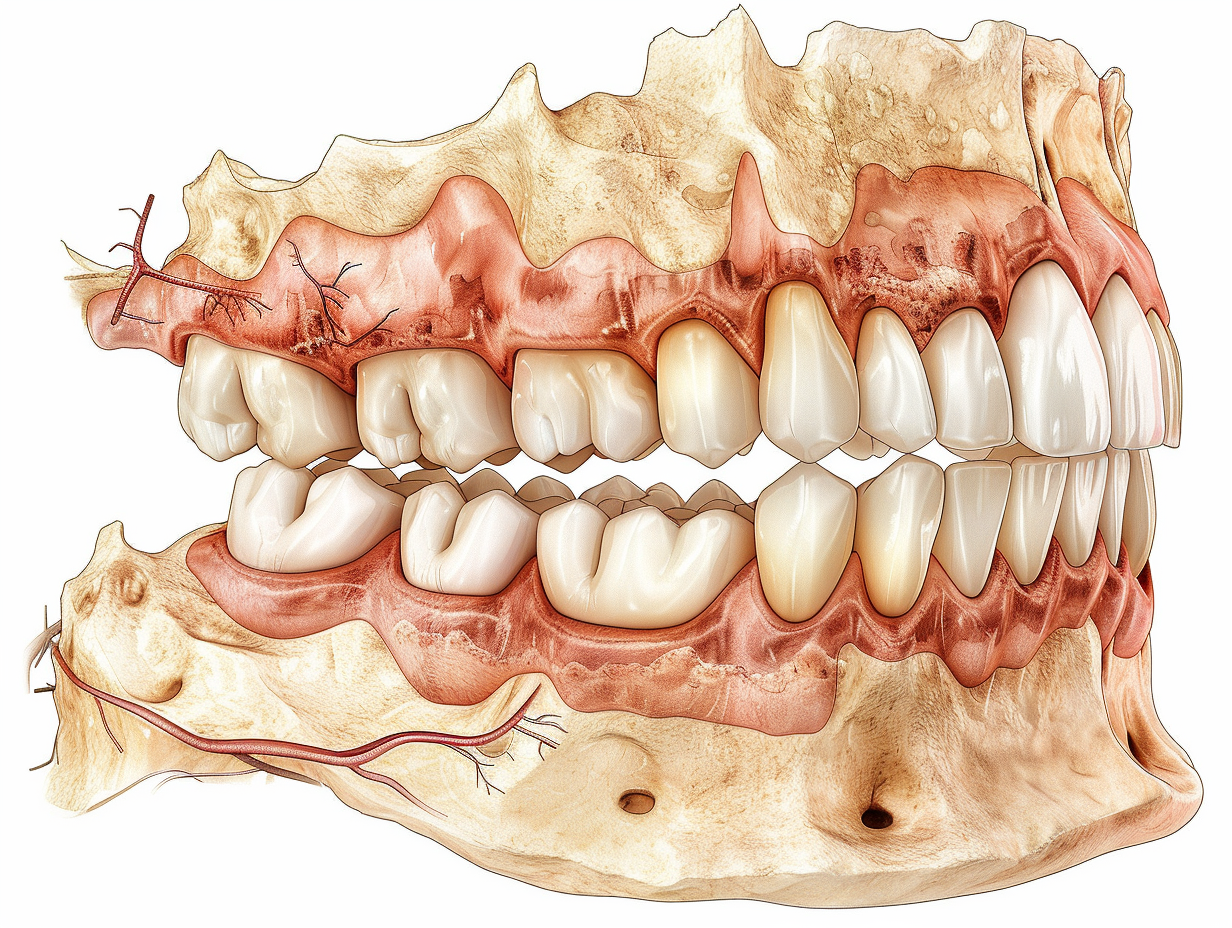
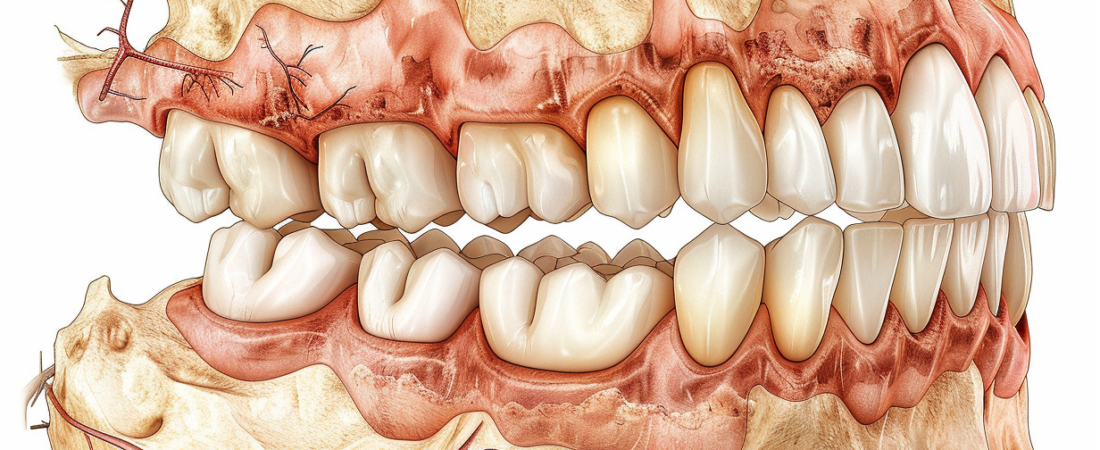
To effectively manage a baby’s pain, we must first understand the biological journey taking place beneath the gums. Teething is not a sudden cutting of tissue; it is a slow, complex migratory process.
Before a primary tooth ever becomes visible in the mouth, the tooth crown must travel through the underlying alveolar bone. As it moves upward, the body initiates a localized inflammatory response. Special cells break down the bone path ahead of the tooth while tissue remodeling occurs behind it.
Once the tooth reaches the surface, it pushes against the thick gingival tissue (the gums). This pressure triggers local edema (swelling), micro-tearing of the tissue, and an influx of inflammatory cytokines. This is precisely what causes that deep, ambient, throbbing ache your baby feels. It is an internal pressure wave, which explains why they become so desperate to bite down on anything within reach.
The Typical Teething Timeline
While every infant develops at their own unique biological pace, the eruption schedule generally follows a predictable evolutionary pattern:
- 4 to 7 Months: The lower central incisors (the two bottom front teeth) are typically the first to arrive.
- 8 to 12 Months: The upper central and lateral incisors emerge, giving your baby their first multi-toothed smile.
- 12 to 16 Months: The first primary molars begin to push through the back of the jaw, often causing a significant spike in teething discomfort baby symptoms due to their wide surface area.
- 16 to 20 Months: The canine teeth (cuspids) fill in the gaps between the incisors and molars.
- 20 to 30 Months: The second primary molars emerge at the very back of the mouth, completing the full set of 20 primary teeth.
Knowing this timeline allows you to anticipate structural shifts in your baby’s mouth and choose the appropriate soothing tools for each phase.
Recognizing Teething Symptoms vs. Common Myths

When a baby is irritable, it is tempting to blame teething for every symptom. However, attributing systemic illness to tooth eruption can be dangerous, potentially causing parents to miss early signs of a viral or bacterial infection.
The chart below outlines the boundaries between true teething symptoms baby expressions and common medical misconceptions:
| Real Teething Symptoms | Common Teething Myths (Not Teething) |
| Increased Drooling: Salivary glands are hyper-activated by nerve stimulation. | High Fever (Over 38°C / 100.4°F): True pyrexia indicates an active immune response to an infection. |
| Gum Rubbing & Chewing: Driven by an instinctive need for localized counter-pressure. | Persistent Diarrhea: Loose, watery stools are typically caused by viral pathogens, not saliva. |
| Mild Temperature Rise: A slight metabolic elevation (up to 37.9°C) from localized inflammation. | Systemic Vomiting: Vomiting is a gastrointestinal symptom requiring pediatric evaluation. |
| Fussiness & Sleep Disruption: The throbbing ache intensifies when the baby lies flat, increasing blood pressure to the head. | Chronic Ear Infections: While babies may pull their ears due to shared nerve pathways, fluid in the ear is a distinct medical issue. |
Why Do the Myths Exist?
The historical confusion between teething and illness isn’t entirely accidental. The window for peak tooth eruption (6 to 12 months) directly coincides with two major developmental events. First, this is the exact age when the passive immunity a baby received from their mother’s placenta begins to wane, leaving their immune system vulnerable.
Second, this is the stage where infants gain motor independence and begin putting every object they find into their mouths. This hand-to-mouth exploration introduces a steady stream of new pathogens to their digestive tract, frequently leading to mild diarrhea or low-grade viruses that occur at the same time as a new tooth, rather than being caused by it.
The Science Behind Easing Teething Discomfort Baby Pain
When looking for how to ease teething pain, we must rely on established neurological and physiological principles. True, non-pharmacological relief relies on two core concepts: Counter-Pressure and Cryotherapy.
1. The Power of Counter-Pressure (Gate Control Theory)
The human nervous system processes sensory information based on a hierarchy. Inside your baby’s gums, pain signals are carried along thin, slow-conducting nerve fibers (C fibers). However, the sensations of touch and physical pressure are carried along much larger, faster-conducting nerve fibers (A-beta fibers).
When a baby bites down firmly on a hard or textured surface, they activate these rapid pressure receptors. The intense influx of pressure signals travels to the dorsal horn of the spinal cord ahead of the pain signals, effectively “closing the neurological gate.” This temporary block prevents the pain messages from reaching the cerebral cortex, providing your baby with immediate, functional relief.
2. The Physiology of Cooling (Localized Cryotherapy)
Applying a cold object to an inflamed area is a time-tested medical practice. When a teething tool is chilled, it causes localized vasoconstriction—the narrowing of blood vessels in the swollen gum tissue.
This narrowing slows down the rush of inflammatory fluids to the area, visibly reducing edema and swelling. Furthermore, the drop in temperature slows the nerve conduction velocity of the local pain receptors, creating a safe, natural numbing sensation across the sensitive dental ridge.
Safe, Drug-Free Methods to Ease the Pain
Before reaching for the medicine cabinet, there are several highly effective, drug-free structural techniques you can employ right in your home to deliver immediate baby teething relief. These methods are proven to ease teething discomfort in baby without any medication.

Targeted Gum Massage
Never underestimate the therapeutic value of manual therapy. Thoroughly wash your hands, sit comfortably with your baby, and use the pad of your clean index finger to apply firm, circular pressure directly over the swollen area of the gum line. The warmth of your hand combined with steady friction helps disperse localized fluid retention and provides instant neurological distraction.
The Chilled Teething Solution
Utilize the benefits of cryotherapy safely. Place a clean washcloth, a dedicated teething toy, or a solid silicone object into your household refrigerator for 15 to 20 minutes.
The goal is to achieve a refreshing, therapeutic chill (around 4°C). Never place these items into the deep freezer; hyper-frozen objects can easily cause cryo-burns and structural damage to the delicate, highly vascularized mucous membranes inside an infant’s mouth.
High-Purity Silicone Tools
Modern materials science has given parents an incredible asset in medical-grade and food-grade silicone. High-purity silicone provides a unique, yielding resistance. Unlike hard plastic, which can bruise inflamed tissues, or natural wood, which can trap moisture and bacteria, silicone gives slightly under bite force, absorbing the impact while maximizing the distribution of therapeutic counter-pressure.
Sensory Distraction & Emotional Regulation
Pain is not purely a physical sensation; it is heavily influenced by emotional and environmental factors. When a teething surge hits, your baby’s central nervous system is hyper-aroused.
Providing extra skin-to-skin contact, utilizing low-frequency white noise to mask acoustic triggers, and introducing immersive visual changes (like moving to a different room or stepping outside into the fresh air) can effectively shift their cognitive focus away from oral discomfort.
Choosing the Right Teething Toy: A Parent’s Checklist

Choosing the right tool is essential for easing teething discomfort baby experiences at every stage.
The market is flooded with whimsical teething products, but as an infant wellness researcher, I urge parents to screen every toy using strict criteria. A safe, structurally sound teething toy must feature:
- 100% Food-Grade or Medical-Grade Silicone: Ensure the product is completely certified free from BPA, PVC, phthalates, and heavy metals.
- Monobloc (One-Piece) Construction: Avoid toys made of multiple pieces glued or snapped together. A single, molded piece completely eliminates the risk of components breaking off and creating a choking hazard.
- Anatomical Accessibility: The toy must be shaped to safely reach different areas of the mouth. Front teeth need broad surfaces, while emerging molars require long, slender extensions that can reach the back of the mouth without triggering a gag reflex.
- Ergonomic Grip Dynamics: Choose teethers that feature hollow centers or open loop handles, allowing babies who are navigating early motor milestones to hold the tool independently.
🌟 Elara’s Recommended Teething Tools for 2026
After years of analyzing infant oral products, these are the tools I recommend with confidence:
- Happy Crab Silicone Teether — Best for 360° multi-textured gum massage. Ideal from 3 months.
- Little Dino Wearable Teether — Best anti-drop solution. Stays on baby’s hand all day.
- Gentle Elephant Silicone Teether — Best for posterior gum reach. Trunk targets emerging molars.
👉 Explore Our Full Teething Collection
What to Avoid: Hidden Risks in the Nursery
When a child is crying, it can be tempting to try any remedy that promises quick relief. However, several popular teething products carry severe medical risks and are explicitly discouraged by global health authorities like the FDA and the American Academy of Pediatrics (AAP). Many parents searching for quick relief from teething discomfort baby symptoms turn to dangerous products.
Amber Teething Necklaces
Despite claims that amber releases anti-inflammatory succinic acid when warmed by the skin, there is zero clinical evidence supporting this mechanism. More importantly, placing a corded necklace around an infant’s neck poses severe, documented risks of strangulation and sudden airway occlusion if a bead breaks off and is swallowed. They have no place in a safe sleep or play environment.
Topical Topical Gels Containing Benzocaine or Lidocaine
Over-the-counter numbing gels frequently wash away within minutes due to your baby’s increased saliva flow, making them largely ineffective.
Furthermore, benzocaine carries a rare but life-threatening risk of inducing methemoglobinemia—a serious condition that drastically reduces the amount of oxygen carried through your baby’s bloodstream. Stick exclusively to physical, non-medicated topical options.
Homeopathic Teething Tablets
Unregulated manufacturing processes in certain homeopathic teething preparations have historically led to inconsistent concentrations of active plant compounds, such as belladonna. Incidents of accidental toxicity have prompted strict medical warnings. In a modern nursery, predictability and chemical purity are non-negotiable.
When to Call the Pediatrician
While teething is a normal part of your baby’s development, it should never cause systemic illness. You should contact your pediatrician immediately if your child experiences:
- A true rectal or tympanic temperature exceeding 38°C (100.4°F).
- Chronic, watery diarrhea that persists for more than 24 hours.
- Systemic symptoms such as full-body rashes, projectile vomiting, or clear ear pulling accompanied by fluid drainage.
- Complete refusal to consume liquids or a noticeable drop in wet diapers, which indicates early dehydration.
Whispers from the Ages — Ancient Sentinels of Comfort

The deep instinct to soothe a teething infant bridges generations across human history.
⚠️ AGELESS CAUTION: These practices come from traditions, often thousands of years old. They have not been validated by modern controlled scientific studies. They may carry risks of allergy, choking, toxicity, or simple ineffectiveness. They do not replace medical advice or proven treatment. Use at your own responsibility, and only after speaking with your child’s health professional.
In ancient Greece, caregivers would soak clean linen cloths in a very mild, cooled infusion of chamomile flowers, using the dampened cloth to gently rub the baby’s swollen gums. In medieval Europe, small drops of highly diluted clove oil were carefully applied to areas of dental swelling. Pre-industrial cultures worldwide frequently relied on polished animal bone or hard wood tokens to give babies a clean, firm surface for counter-pressure.
While modern medicine advises against unregulated botanical extracts or porous materials that can trap germs, we can still appreciate the core logic of our ancestors. They recognized that the combination of targeted friction, clean textures, and soothing properties was the key to comfort. Today, we honor that timeless insight by utilizing sterile, non-porous, medical-grade silicone to deliver that exact same relief with perfect safety.
The Verdict: Managing Teething Discomfort Baby the Right Way
Teething is undeniably a challenging chapter in the story of your baby’s first years, but it is ultimately a temporary one. Armed with an understanding of oral anatomy and the science of counter-pressure, you can confidently navigate these long nights without relying on unnecessary medications or risky trends.
Remember that your presence, your calm touch, and a safe, chilled, well-designed silicone teether are the most effective tools you have to bring relief to your little one. The right approach to easing teething discomfort baby goes through is always drug-free, science-backed and consistent.
Sources & References
- AAP — Teething Pain Relief, 2023
- FDA — Safely Soothing Teething Pain, 2023
- AAPD — Early Childhood Oral Health, 2022
- Memarpour et al. — Teething Symptoms Study, 2015