Understanding Canine Teeth Eruption Pain: Why Eye Teeth Hurt the Most
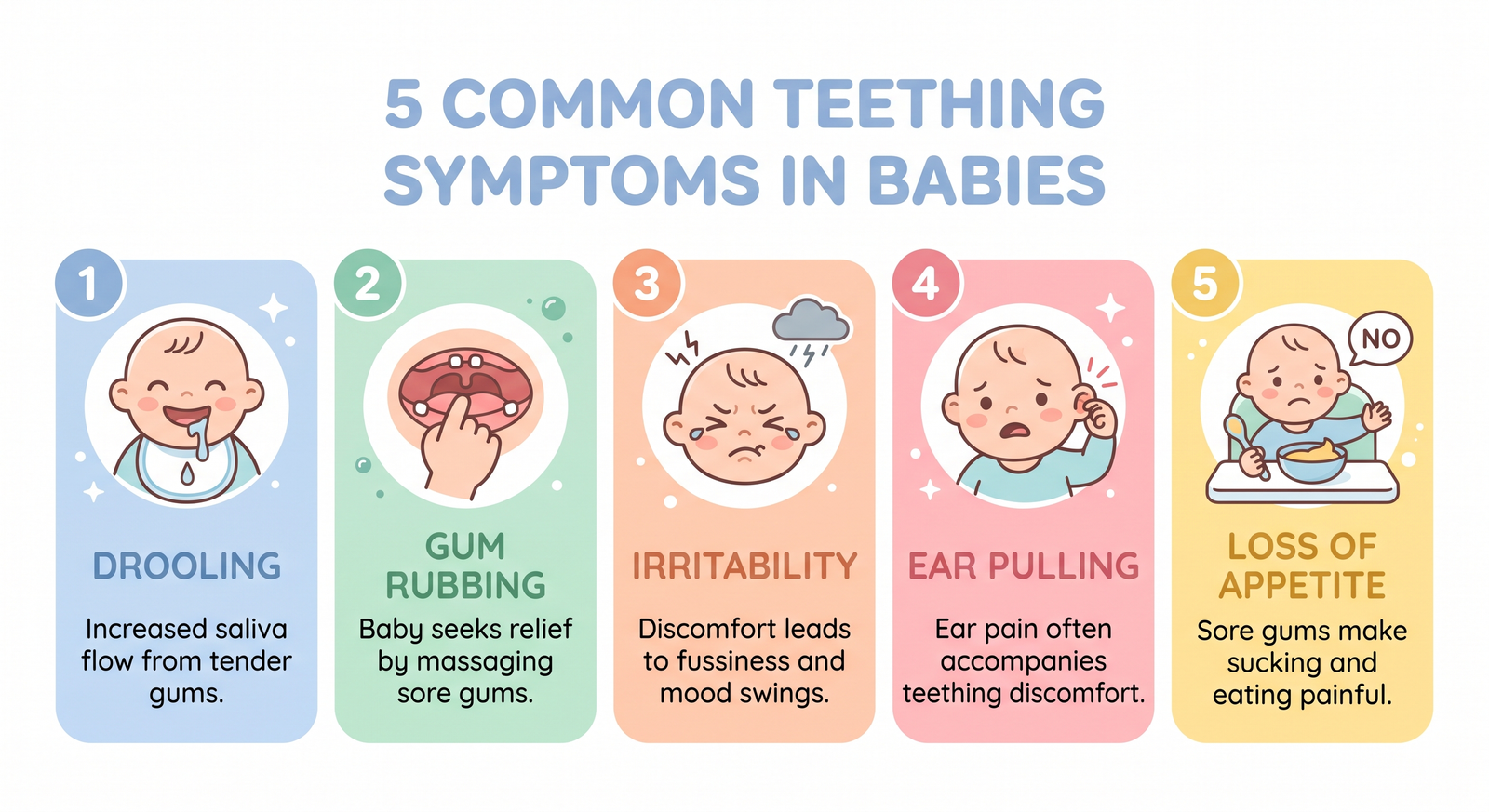
Are you tired of seeing your little one in pain and discomfort due to teething? Do you wish you could relieve their suffering and help them sleep through the night? You’re not alone – millions of parents around the world are searching for answers to soothe their baby’s teething symptoms.
The eruption of canine teeth, also known as eye teeth or cuspids, can be particularly painful for babies. But why do these teeth hurt the most, and what can you do to ease your baby’s discomfort?
In this article, we’ll delve into the world of teething and explore the science behind canine teeth eruption pain, so you can better understand what your baby is going through and find the best solutions to soothe their pain.
So, what’s the central question on every parent’s mind: why do canine teeth hurt the most during teething?
The Anatomy of Canine Teeth Eruption

To understand why canine teeth eruption can be so painful, let’s take a look at the anatomy of the process. Canine teeth, also known as cuspids, are the pointed teeth located on either side of the incisors (front teeth). They play a crucial role in biting and tearing food, and their eruption is an essential part of a baby’s dental development.
The eruption of canine teeth typically occurs between 16 and 22 months of age, although this can vary from baby to baby. During this process, the tooth pushes through the gum tissue, causing inflammation, swelling, and pain.
The Science Behind Canine Teeth Eruption Pain
Research suggests that the pain associated with canine teeth eruption is due to the unique anatomy of these teeth. Canine teeth have a longer root than other teeth, which means they need to travel further through the gum tissue to reach the surface (AAP, 2020). This longer journey can cause more discomfort and pain for babies.
Additionally, the location of canine teeth near the eye socket can cause referred pain, making it feel like the eye or surrounding area is hurting (AAPD, 2019). This can be especially distressing for parents who may worry that their baby’s eye is affected.
What You Can Do Tonight to Soothe Your Baby’s Canine Teeth Eruption Pain

While every baby is different, there are some tried-and-true methods to relieve canine teeth eruption pain. Here are some steps you can take tonight to soothe your baby’s discomfort:
- Offer a teether or cold compress: Provide a teether or cold, wet washcloth to help numb the gum area and reduce pain.
- Use topical anesthetics: Apply a topical anesthetic like Orajel or Anbesol to the affected area, but always follow the instructions and consult with your pediatrician first.
- Massage the gum area: Gently massage the gum area with your finger to help loosen the tooth and reduce pain.
- Keep your baby comfortable: Dress your baby in light, comfortable clothing and maintain a comfortable room temperature to reduce irritability.
Remember, every baby is unique, so it may take some trial and error to find the method that works best for your little one.
A Surprising Insight: Canine Teeth Eruption Can Be a Sign of Developmental Milestones
While canine teeth eruption can be painful, it’s also an exciting sign of your baby’s growth and development. The eruption of these teeth often coincides with other milestones, such as improved biting and chewing skills, and even advances in language and cognitive development (EAPD, 2020).
So, the next time you’re up at 2 a.m. soothing your baby’s teething pain, remember that these moments are a small part of a much bigger journey – the journey of growth, development, and exploration that your baby is embarking on.
Whispers from the Ages
As a Guardian of Ancient and Modern Wisdom, I must remind you that while traditional remedies and old wives’ tales can be comforting, they should never replace evidence-based advice from your pediatrician or healthcare provider. Always consult with a medical professional before trying any new remedies or treatments, especially if your baby has a history of health concerns or allergies.
Warning: never use unproven or untested remedies, such as amber teething necklaces or homeopathic treatments, as they can pose a risk to your baby’s health and safety (WHO, 2019).
Now that you’ve learned more about canine teeth eruption pain and how to soothe your baby’s discomfort, we encourage you to share this article with a parent who needs it. Leave a comment below with your own teething story – what worked for you, and what didn’t? Together, we can support each other through the ups and downs of parenting and provide the best possible care for our little ones.
For more information on teething and baby oral health, check out our other articles on teething symptoms, teething remedies, and baby gum pain. Don’t forget to follow us on social media for the latest updates and tips on parenting and baby care!
References: AAP (2020), AAPD (2019), EAPD (2020), WHO (2019), Cochrane (2018)
🦷 Dr. Elara Voss Clinical Recommendation
Don’t let your little one suffer through painful sleepless nights. Discover our clinically certified amber necklaces & organic soothing teethers at the Official TeethingForBaby Store. Apply VIP code ARIA15 at checkout for an instant 15% discount!