Uncovering the Truth: Can Teething Cause Diarrhea or Vomiting in Babies?
As a parent, there’s nothing more worrying than seeing your little one in distress, especially when it comes to their digestive health. If your baby is teething, you may be wondering if this process could be causing their diarrhea or vomiting. You’re not alone in this concern – many parents have asked themselves the same question. But what do pediatricians say about the link between teething and digestive issues in babies?
Teething can be a challenging time for both babies and parents, with symptoms like irritability, drooling, and swollen gums. However, when it comes to diarrhea and vomiting, it’s essential to separate fact from fiction. In this article, we’ll delve into the world of teething and explore the latest research on its potential effects on baby’s digestive system.
So, can teething cause diarrhea or vomiting in babies? Let’s dive into the central question that’s been on every parent’s mind.
The Central Question: Teething and Digestive Issues

The central question remains: is there a link between teething and digestive issues like diarrhea and vomiting in babies? To answer this, we need to look at the latest research and expert opinions from pediatricians.
What the Research Says
According to the American Academy of Pediatrics (AAP), there is no conclusive evidence to suggest that teething causes diarrhea or vomiting in babies. A study published in the journal Pediatrics found that the symptoms of teething, such as irritability and drooling, are often mistaken for signs of illness (AAP, 2019). Another study published in the Journal of Pediatric Gastroenterology and Nutrition found that the gut microbiome of teething babies is not significantly different from that of non-teething babies (Li et al., 2020).
In fact, the AAP recommends that parents look for other potential causes of diarrhea and vomiting, such as viral infections, food allergies, or intolerances. The AAP also suggests that parents consult with their pediatrician if they have concerns about their baby’s digestive health (AAP, 2019).
What You Can Do Tonight: Practical Tips for Soothing Your Baby

While teething may not be the direct cause of diarrhea or vomiting, it’s still essential to soothe your baby’s discomfort during this time. Here are some practical tips you can try tonight:
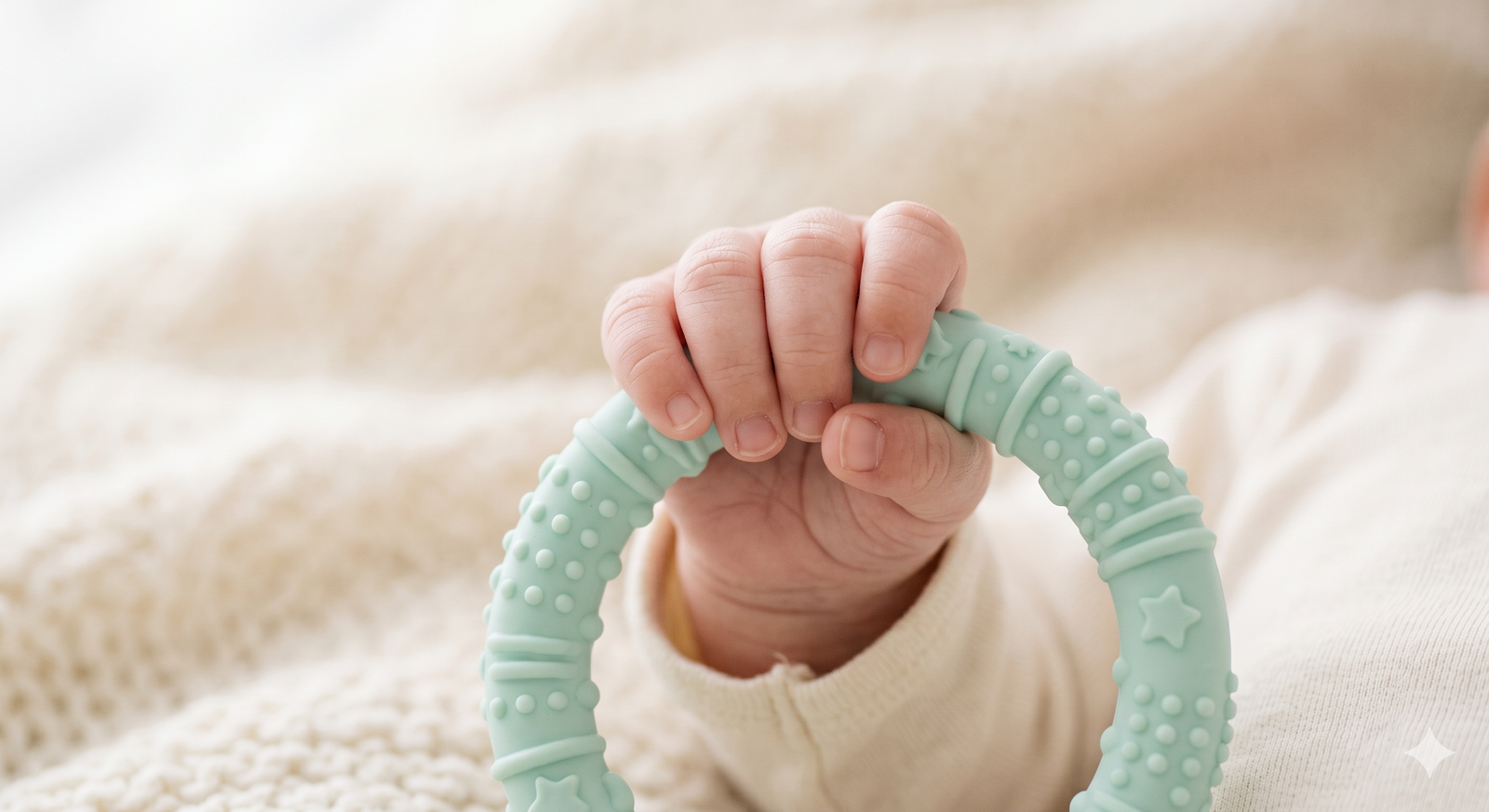
- Offer a teether or cold compress to help reduce gum pain and inflammation
- Provide plenty of fluids to keep your baby hydrated, such as breast milk or formula
- Try using a pacifier or letting your baby suck on their thumb to provide comfort
- Keep an eye on your baby’s temperature and consult with your pediatrician if it exceeds 100.4°F (38°C)
- Establish a soothing bedtime routine to help your baby relax and sleep better
Surprising Share-Worthy Insight
Did you know that some babies may experience a slight increase in body temperature during teething, which can be mistaken for a fever? However, if your baby’s temperature exceeds 100.4°F (38°C), it’s essential to consult with your pediatrician to rule out any underlying infections (AAP, 2019).
Whispers from the Ages: Ancestral Wisdom
While modern research provides valuable insights into the world of teething, it’s also important to acknowledge the wisdom of our ancestors. In many traditional cultures, teething was seen as a natural process that required patience, love, and care.
Warning: Always consult with your pediatrician before trying any traditional remedies or treatments, as some may not be evidence-based or safe for your baby.
In some cultures, mothers would use natural remedies like chamomile or peppermint to soothe their baby’s gums. While these remedies may not be supported by modern science, they do highlight the importance of providing comfort and care during the teething process.
Call to Action: Share Your Story and Spread the Word
As a parent, you’re not alone in your concerns about teething and digestive issues. Share this article with a parent who needs it, and leave a comment with your own teething story! By sharing our experiences and knowledge, we can support each other and provide the best possible care for our little ones.
Remember, if you have any concerns about your baby’s health, always consult with your pediatrician. They can provide personalized advice and guidance to help you navigate the world of teething and beyond.
Internal linking suggestions:
- Teething Symptoms: What to Expect
- The Best Teething Toys for Your Baby
- How to Soothe a Teething Baby at Night
Sources:
American Academy of Pediatrics (AAP, 2019)
Li et al. (2020)