How Teething Impacts Solid Food Introduction: Adapting Baby-Led Weaning
As a parent, introducing solid foods to your baby can be a daunting task, especially when teething symptoms arise. You may wonder how to navigate this critical period in your baby’s development. Are you worried that teething will hinder your baby’s ability to eat solid foods? You’re not alone. Many parents struggle to balance teething and solid food introduction.
The good news is that with the right approach, you can help your baby thrive during this time. In this article, we’ll explore how teething impacts solid food introduction and provide you with practical tips on adapting baby-led weaning.
So, let’s dive in and find out how to make this transition as smooth as possible for your little one.
Central Question: How Does Teething Affect Solid Food Introduction?

Teething can significantly impact your baby’s ability to eat solid foods. When babies are teething, they often experience gum pain, swelling, and irritability, making it challenging for them to eat. According to the American Academy of Pediatrics (AAP), teething can cause babies to be more finicky about their food, leading to a decrease in appetite (AAP, 2020).
Additionally, teething can affect your baby’s oral motor skills, making it harder for them to chew and swallow solid foods. This can be particularly concerning for parents who are introducing solid foods for the first time.
Understanding Teething Symptoms
Before we dive into adapting baby-led weaning, it’s essential to understand the common teething symptoms. These include:
- Gum pain and swelling
- Irritability and fussiness
- Loss of appetite
- Difficulty sleeping
- Excessive drooling
Recognizing these symptoms will help you adjust your approach to solid food introduction and make the necessary adjustments to your baby’s diet.
Adapting Baby-Led Weaning

Baby-led weaning (BLW) is an approach to solid food introduction that allows babies to self-feed and explore different tastes and textures. When adapting BLW for a teething baby, it’s crucial to consider their comfort and safety.
Here are some tips to help you adapt BLW for your teething baby:
- Offer soft, easy-to-chew foods: Opt for foods like mashed bananas, avocados, and cooked vegetables that are gentle on your baby’s gums.
- Provide teething-friendly utensils: Use soft, silicone utensils that are easy for your baby to grip and won’t irritate their gums.
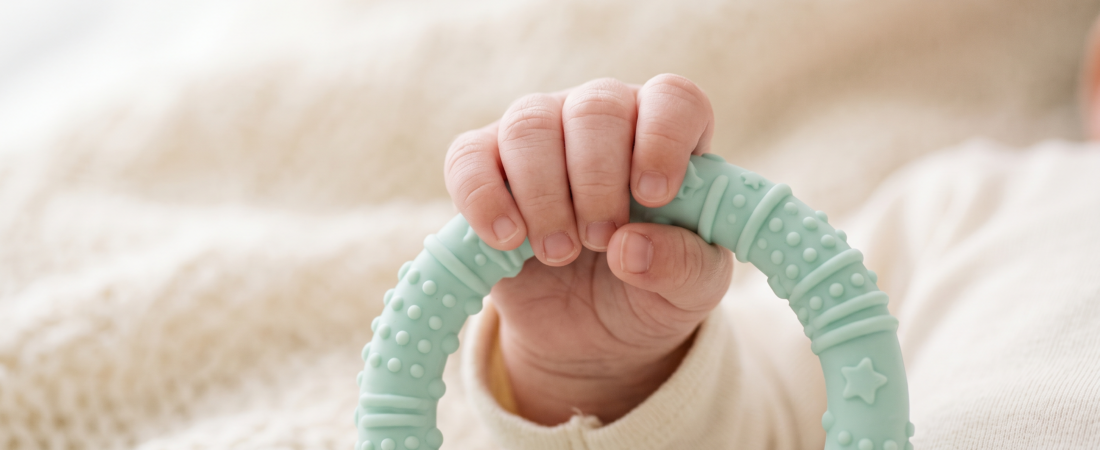
- Make mealtime comfortable: Ensure your baby is comfortable and secure during mealtime. You can try using a teething ring or a cold compress to help soothe their gums.
By making these adjustments, you can help your baby navigate the challenges of teething while introducing solid foods.
What You Can Do Tonight
If your baby is teething and struggling with solid food introduction, here are some steps you can take tonight:
- Offer a teething-friendly snack, such as a cold, wet washcloth or a teething toy, to help soothe your baby’s gums.
- Prepare a soft, easy-to-chew food, like mashed sweet potatoes or cooked carrots, for tomorrow’s meal.
- Make sure your baby’s environment is comfortable and secure, with minimal distractions during mealtime.
By taking these small steps, you can help your baby feel more comfortable and confident during mealtime.
Surprising Share-Worthy Insight
Did you know that teething can actually help your baby develop their oral motor skills? According to a study published in the Journal of Pediatric Dentistry, teething can stimulate the development of the muscles used for chewing and swallowing (Journal of Pediatric Dentistry, 2019).
This means that with the right approach, teething can actually be a beneficial experience for your baby’s overall oral health and development.
Whispers from the Ages
Our ancestors have long recognized the importance of teething in a baby’s development. In many traditional cultures, teething is seen as a significant milestone, marking a baby’s transition from infancy to toddlerhood.
Warning: Always prioritize your baby’s safety and comfort during teething. Never use homemade teething remedies or objects that can pose a choking hazard. Consult with your pediatrician or healthcare professional for personalized advice.
By honoring our ancestors’ wisdom and combining it with modern knowledge, we can create a holistic approach to teething and solid food introduction that supports our babies’ overall health and well-being.
Call to Action
If you found this article helpful, please share it with a parent who needs it. Every parent deserves to have the support and guidance they need to navigate the challenges of teething and solid food introduction.
Leave a comment below with your own teething story and tips for adapting baby-led weaning. By sharing our experiences and knowledge, we can create a community that supports and empowers each other.
Remember, you’re not alone in this journey. With patience, love, and the right approach, you can help your baby thrive during this critical period in their development.
Sources:
AAP (2020)
Journal of Pediatric Dentistry (2019)
🦷 Dr. Elara Voss Clinical Recommendation
Don’t let your little one suffer through painful sleepless nights. Discover our clinically certified amber necklaces & organic soothing teethers at the Official TeethingForBaby Store. Apply VIP code ARIA15 at checkout for an instant 15% discount!