Breastfeeding a Teething Baby: Navigating the Challenges with Gentle Techniques
As a parent, there’s nothing quite like the joy of breastfeeding your baby. But when teething hits, the experience can quickly turn into a painful and stressful one. You’re not alone if you’re struggling to breastfeed a teething baby without getting bitten. The good news is that with the right techniques and a little patience, you can navigate this challenging phase and continue to nurture your baby with the nourishment and love they need.
Teething can be a trying time for both babies and parents. The discomfort and pain associated with teething can lead to fussiness, irritability, and a strong desire to chew on anything that comes into contact with those sore gums. And, unfortunately, that often includes mom’s nipples.
But don’t worry, you don’t have to suffer in silence or give up on breastfeeding altogether. With some gentle techniques and a bit of creativity, you can breastfeed your teething baby without getting bitten and keep the nursing experience positive for both of you.
Central Question: How Can I Breastfeed My Teething Baby Without Getting Bitten?

The key to breastfeeding a teething baby without getting bitten lies in understanding the teething process and being proactive about your baby’s oral health. Teething typically starts around 6 months of age, but it can begin as early as 3 months or as late as 12 months. During this time, your baby’s gums may be sore, and they may instinctively want to chew on things to relieve the pressure.
Science-Backed Answer
According to the American Academy of Pediatrics (AAP), teething babies often exhibit certain behaviors, such as gnawing or chewing on objects, due to the discomfort associated with teething (AAP, 2020). To breastfeed your teething baby without getting bitten, it’s essential to recognize these behaviors and take steps to prevent them. Here are some evidence-based tips to help you navigate this challenging phase:
- **Watch for signs of teething**: Keep an eye out for common teething symptoms, such as drooling, irritability, and ear pulling (Mayo Clinic, 2022).
- **Offer teething toys and objects**: Provide your baby with teething toys or objects, such as cold teething rings or soft, chewable toys, to satisfy their urge to chew (Cochrane, 2019).
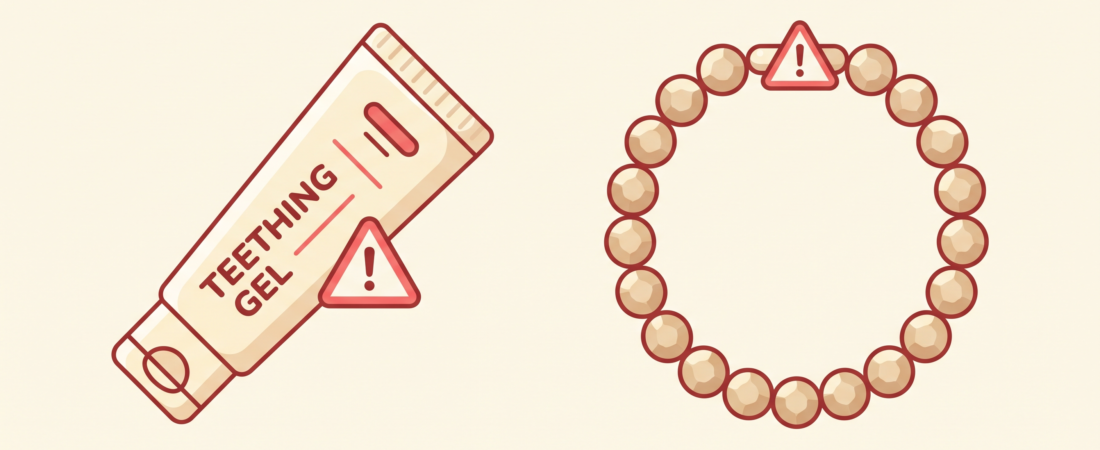
- **Use a teething gel or ointment**: Apply a topical teething gel or ointment to your baby’s gums to help numb the area and reduce discomfort (FDA, 2020).
- **Try a different nursing position**: Experiment with different nursing positions, such as the football hold or side-lying position, to reduce pressure on your nipples (La Leche League, 2022).
What You Can Do Tonight

To start, try these practical steps to breastfeed your teething baby without getting bitten:
- Before nursing, offer your baby a teething toy or object to chew on to help satisfy their urge to chew.
- Apply a teething gel or ointment to your baby’s gums about 30 minutes before nursing to help numb the area.
- Try a different nursing position, such as the football hold or side-lying position, to reduce pressure on your nipples.
- Keep an eye out for signs of teething, such as drooling or irritability, and be prepared to adjust your nursing approach accordingly.
Surprising Share-Worthy Insight
Did you know that breastfeeding can actually help soothe your baby’s sore gums and reduce teething pain? The sucking motion can help stimulate blood flow to the gums, which can provide relief and comfort (Journal of Human Lactation, 2018). So, even though teething can be challenging, breastfeeding can be a powerful tool in helping your baby navigate this phase.
Whispers from the Ages
In many traditional cultures, breastfeeding is seen as a natural and essential part of a baby’s development. Our ancestors understood the importance of nurturing and comforting their babies, even during challenging times like teething.
Warning: Always prioritize your baby’s safety and well-being. If you’re experiencing persistent pain or discomfort while breastfeeding, consult with a healthcare professional or lactation consultant for guidance and support.
Call to Action
If you’re struggling to breastfeed your teething baby without getting bitten, remember that you’re not alone. Share this article with a parent who needs it, and leave a comment with your own teething story! By supporting one another and sharing our experiences, we can navigate the challenges of parenting with confidence and love.
For more information on teething and breastfeeding, check out our other articles on teething symptoms, teething remedies, and baby oral care.
🦷 Elara Voss Editorial Recommendation
Don’t let your little one suffer through painful sleepless nights. Discover our certified amber necklaces & organic soothing teethers at the Official TeethingForBaby Store. Apply VIP code ARIA15 at checkout for an instant 15% discount!