Baby Chewing on Fingers Nonstop: Sensory Exploration or Molar Discomfort?
As a parent, it can be distressing to see your baby chewing on their fingers nonstop, especially when they’re teething. You might wonder if this behavior is a sign of sensory exploration or a cry for help due to molar discomfort. At 2 a.m., when the house is quiet and your baby is fussing, it’s natural to feel concerned and unsure about how to soothe their pain.
Teething can be a challenging phase for both babies and parents, with symptoms ranging from mild irritability to severe pain. As your baby grows and develops, it’s essential to understand the reasons behind their behavior and find ways to support their oral health.
In this article, we’ll delve into the world of teething, exploring the possible reasons behind your baby’s finger-chewing habit and providing you with practical tips to help them feel more comfortable.
The Central Question: Why is My Baby Chewing on Their Fingers Nonstop?

Before we dive into the possible reasons, it’s crucial to understand that teething is a natural process, and some discomfort is inevitable. However, excessive finger-chewing can be a sign of underlying issues that need attention.
Understanding Teething Symptoms
Teething symptoms can vary from baby to baby, but common signs include:
- Irritability and fussiness: Teething can cause discomfort, leading to irritability and fussiness in babies.
- Drooling and gnawing: Babies often drool and gnaw on objects to relieve pressure on their gums.
- Loss of appetite: Teething pain can make eating uncomfortable, leading to a decrease in appetite.
- Ear pulling and cheek rubbing: The pain from teething can radiate to the ears and cheeks, causing babies to pull their ears or rub their cheeks.
Science-Backed Answer: What’s Behind the Finger-Chewing Habit?

Research suggests that babies chew on their fingers due to a combination of factors, including:
- Sensory exploration: Babies use their mouths to explore their environment and learn about different textures and sensations.
- Teething pain relief: Chewing on fingers can provide temporary relief from teething pain by applying pressure to the gums.
- Molar discomfort: As molars start to erupt, they can cause discomfort and pain, leading babies to chew on their fingers for relief.
What You Can Do Tonight: Practical Tips for Soothing Your Baby
To help your baby feel more comfortable, try these practical tips:
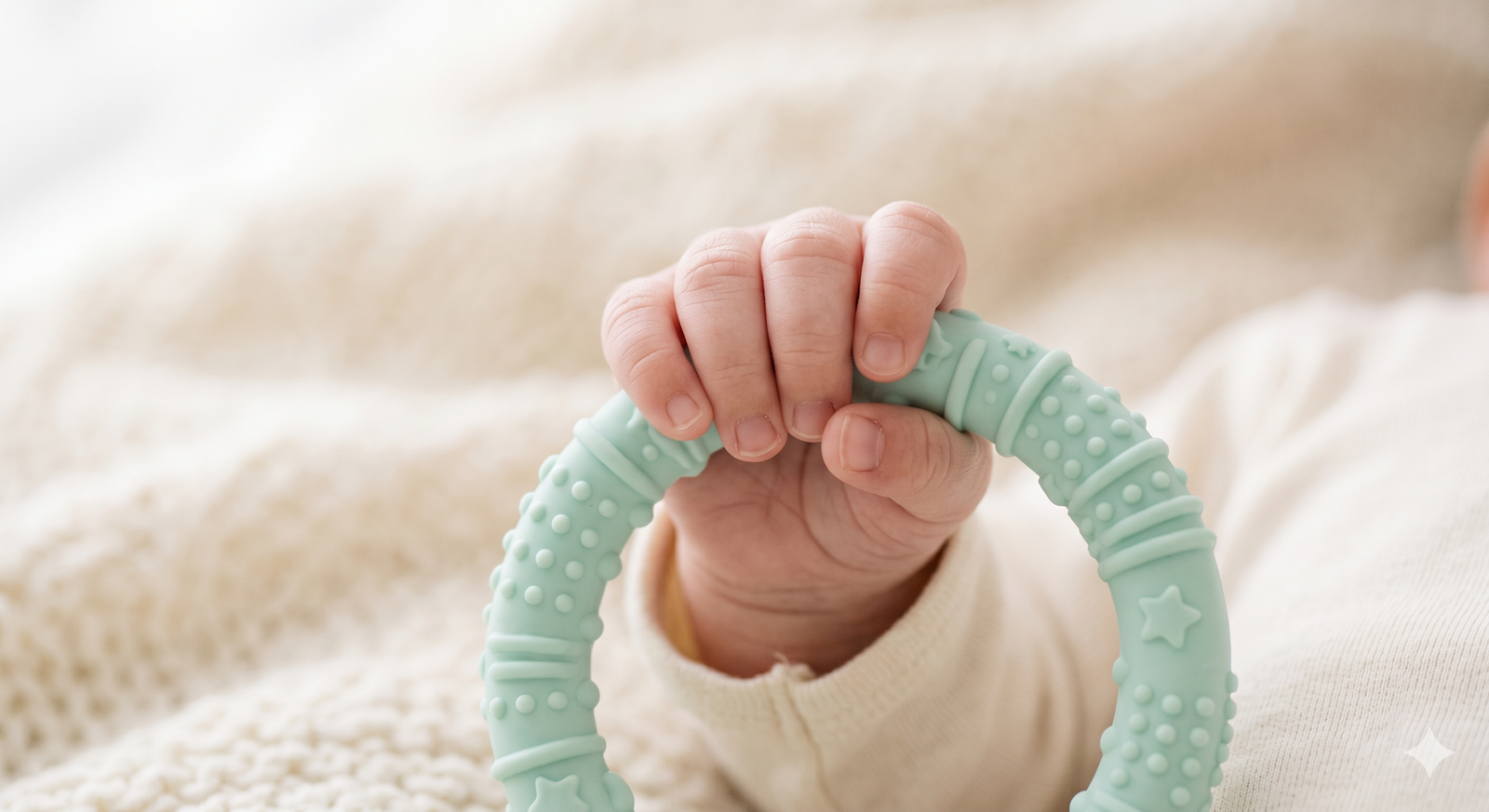
- Offer teething toys and objects: Provide your baby with teething toys and objects, such as cold teething rings or soft toys, to chew on.
- Keep their gums clean: Gently clean your baby’s gums with a soft cloth or a cold, wet washcloth to reduce bacteria and soothe pain.
- Try topical anesthetics: Apply a topical anesthetic, such as Orajel or Anbesol, to your baby’s gums to numb the pain.
- Use cold compresses: Apply a cold compress to your baby’s cheek or gum area to reduce swelling and ease pain.
Surprising Share-Worthy Insight: The Importance of Oral Health During Teething
While it’s essential to soothe your baby’s teething pain, it’s equally important to prioritize their oral health. Research shows that good oral health during teething can set the stage for a lifetime of healthy teeth and gums.
By establishing good oral hygiene habits from an early age, you can help prevent issues like tooth decay, gum disease, and misaligned teeth.
Whispers from the Ages: Ancestral Wisdom on Teething and Oral Health
In many traditional cultures, teething is seen as a significant milestone in a baby’s life. Our ancestors used natural remedies, such as chamomile and clove oil, to soothe teething pain and promote oral health.
Warning: Always consult with your pediatrician or healthcare provider before using any natural remedies or supplements, as they may interact with other medications or have adverse effects.
Call to Action: Share Your Teething Story and Help Another Parent
If you’ve found this article helpful, please share it with a parent who needs it. Leave a comment below with your own teething story, and let’s support each other through the ups and downs of parenting.
Remember, you’re not alone in this journey. By sharing our experiences and knowledge, we can create a community that supports and empowers parents to give their babies the best possible start in life.
Internal linking suggestions:
Teething Symptoms: What to Expect,
The Best Teething Toys for Your Baby,
Oral Health for Babies: A Guide for Parents
Sources:
American Academy of Pediatrics (AAP), 2020
American Academy of Pediatric Dentistry (AAPD), 2020
World Health Organization (WHO), 2019
Cochrane, 2019
🦷 Elara Voss Editorial Recommendation
Don’t let your little one suffer through painful sleepless nights. Discover our certified amber necklaces & organic soothing teethers at the Official TeethingForBaby Store. Apply VIP code ARIA15 at checkout for an instant 15% discount!