
Deep beneath the ocean’s surface, a great white shark glides silently through the water. Throughout its lifetime, this magnificent creature will do something truly extraordinary: it will grow, shed, and completely replace its teeth every two weeks.
Some shark species produce up to 50,000 individual teeth over their existence. Their entire survival is centered on a continuous, beautifully optimized cycle of dental renewal.
Now, let us pan across to a quiet nursery at 3:00 a.m. Your baby is crying intensely, their face flushed, trying to bite down on their own tiny fist with desperate, frantic energy.
At first glance, an apex oceanic predator and a vulnerable human infant have absolutely nothing in common. Yet, from a neurological perspective, these two share a profound biological baseline: the mouth is their primary sensory gateway for exploring the world.
For the shark, an advanced oral system is the key to survival. For your baby, intensive oral mapping is the foundational driver of cognitive development.
I am Elara Voss — Child Development Specialist & Infant Wellness Researcher. My professional career is dedicated to analyzing how early childhood products interact with an infant’s sensory and motor milestones.
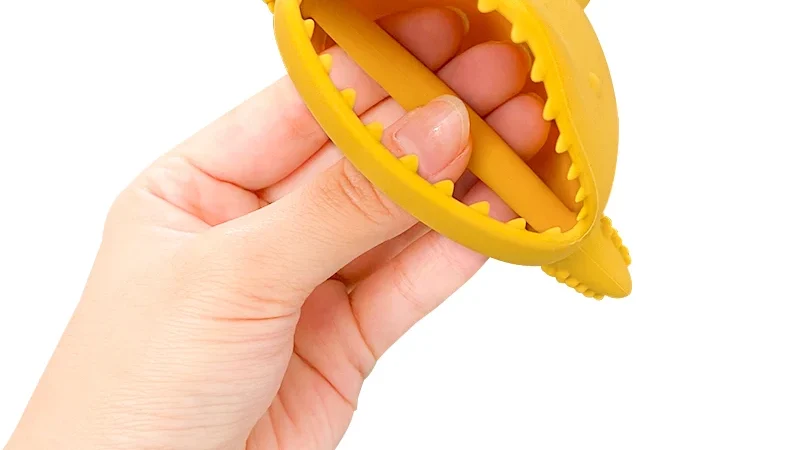
When a design engineer recently showed me an interactive shark teether baby that doubles as a theatrical toy, I realized we had hit a major milestone in biomimetic infant care.
What can the planet’s most sophisticated oral creature teach us about managing your baby’s teething discomfort? Let’s dive deep into the clinical science and structural design of the Sharky collection.
“This silicone hand teether review explains why shark design works for babies.”
The Oral Predator Parallel: Sharks and Babies Share the Same Drive
To evaluate why a shark-shaped silicone hand teether works so effectively, we must look into the fascinating world of evolutionary neurobiology.
Sharks are equipped with an advanced sensory network known as the Ampullae of Lorenzini. These are specialized electro-receptors concentrated around their snout and mouth that allow them to detect the microscopic electrical fields of nearby objects.
When a shark is curious about something new in their environment, they don’t look at it or touch it with a fin—they swim forward and take a gentle, exploratory bite. This is how they collect data.
Your developing infant operates on an identical sensory script. The somatosensory cortex—the area of the brain responsible for processing touch sensations—allocates a massive amount of neural real estate to the lips, tongue, and oral cavity.
In early infancy, the mouth features a significantly higher density of nerve endings than the fingers or hands.
When your 3-month-old baby grabs an object and immediately jams it into their mouth, they aren’t simply misbehaving or acting out.
Neurologically speaking, they are acting exactly like an apex ocean explorer. They are using their most advanced sensory zone to collect physical data about their world, testing boundaries, shapes, and densities through active oral touch.
The 2-in-1 Revolution: Why Finger Puppets Make Better Teethers
The market is flooded with passive teething rings that simply sit on a high chair tray, leaving a frustrated baby to self-soothe alone.
The Sharky collection introduces a major shift by functioning as a sophisticated 2-in-1 teether puppet. This interactive design choice provides a dual-layered developmental intervention:
1. The High-Performance Teether Function
When your baby holds and mouths Sharky independently, the dense, medical-grade silicone delivers focused counter-pressure directly to swollen dental tissues. This physical input activates the Gate Control Theory of Pain.
The fast-moving pressure signals overload the trigeminal nerve, effectively closing the neurological gates against slower, throbbing pain messages before they can reach the brainstem.
2. The Interactive Puppet Function
The true magic happens when a parent places their finger inside the internal chamber, transforming the teether into a moving, breathing character.
When you animate Sharky in front of your baby, you instantly activate their mirror neuron system—a specialized network of brain cells discovered by neurophysiologist Dr. Giacomo Rizzolatti (1996).
Your baby isn’t just watching a toy move; their brain is mentally mimicking your expressions and actions.
This shared interaction synchronizes your infant’s nervous system with your own, turning a painful teething episode into an engaging bonding experience that lowers stress hormones and builds early communication skills.
“The Sharky silicone hand teether is both a puppet and a gum soother.”
👉 Shop Sharky Now — Single & Duo Packs Available
👉 Explore Our Full Teething Collection
Shark Science Applied to Infant Teething
Let us take a closer look at how the real biological systems of a shark have been cleverly repurposed to improve early infant oral care:
Shark Teeth Architecture
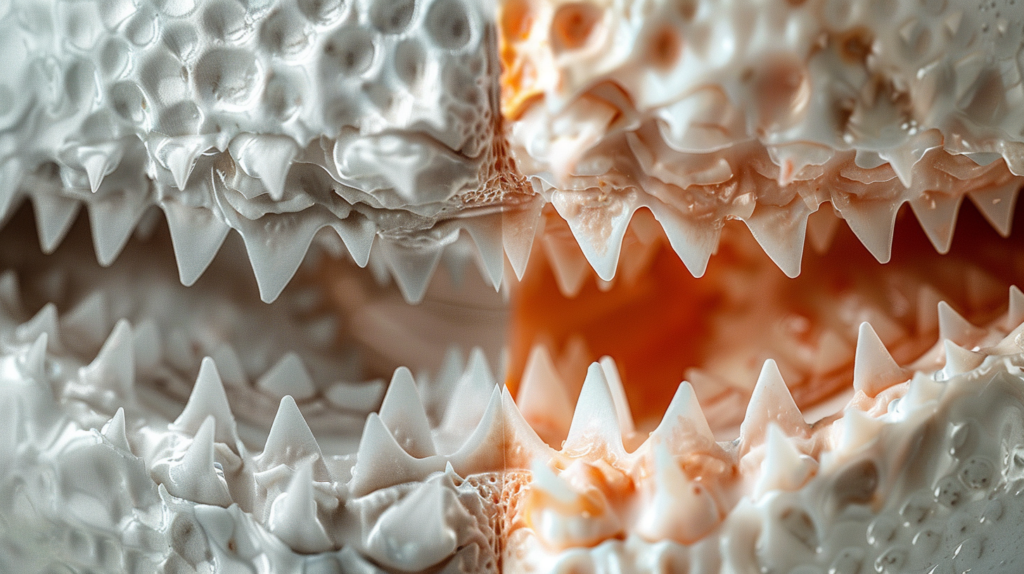
Sharks feature multiple rows of teeth that sit behind one another, moving forward in a smooth, continuous sequence.
Human infants also develop their twenty primary teeth in a highly structured, sequential timeline. Both species rely on a dental development map that has been optimized by evolution to support their specific growth stages.
The Innovation of Dermal Denticles
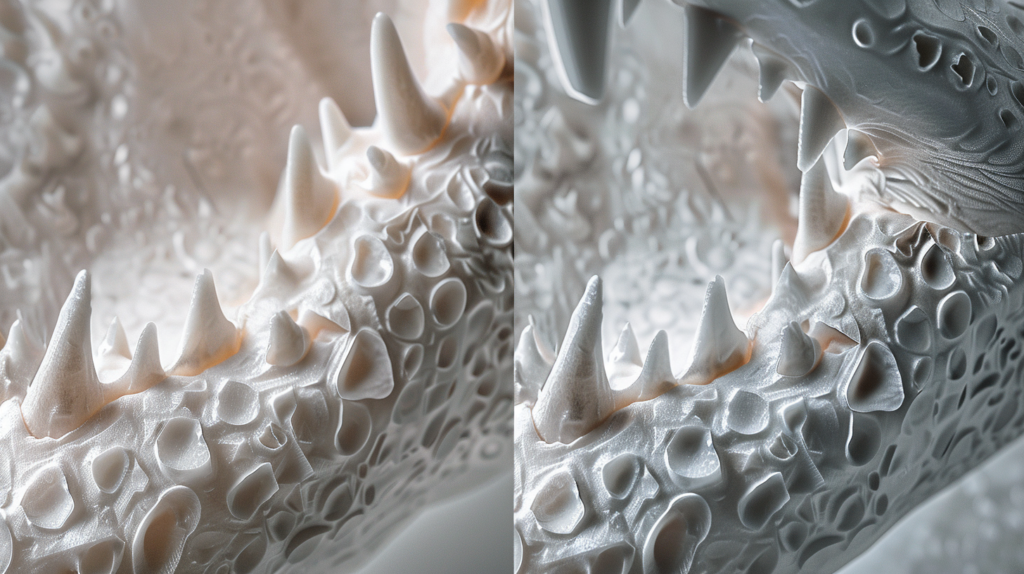
If you look at a real shark under a microscope, you will find that their skin is not smooth; it is covered in tiny, tooth-like structures called dermal denticles.
The Sharky silicone hand teether intentionally copies this textured surface. The exterior is covered in multi-level, raised micro-denticles that deliver an intense sensory massage directly to irritated gums, stimulating local circulation and soothing persistent itching.
Hydrodynamic Flexibility
A shark’s skeleton is composed entirely of flexible cartilage rather than rigid bone, allowing them to bend their bodies seamlessly through heavy ocean currents.
The high-density silicone body of Sharky mirrors this natural elasticity, twisting and flexing under jaw pressure to match the exact curvature of your baby’s mouth rather than bruising sensitive oral tissues.
“Parents love this silicone hand teether because it keeps babies engaged.”
Balanced Bite Force Distribution
When a shark bites, its curved jaw distributes mechanical pressure evenly across the entire surface area.
The wide, hollow design of the Sharky teether works on this exact physical principle.
Instead of concentrating hard pressure on a single, isolated point, it spreads the counter-pressure evenly across the entire dental arch, providing comprehensive relief with every bite.
The Neuroscience of Puppet Play
Animating an interactive teether 3 months or older tool creates an intensive cognitive workout that stimulates three critical areas of your baby’s developing brain:
Mirror Neurons & Social Communication
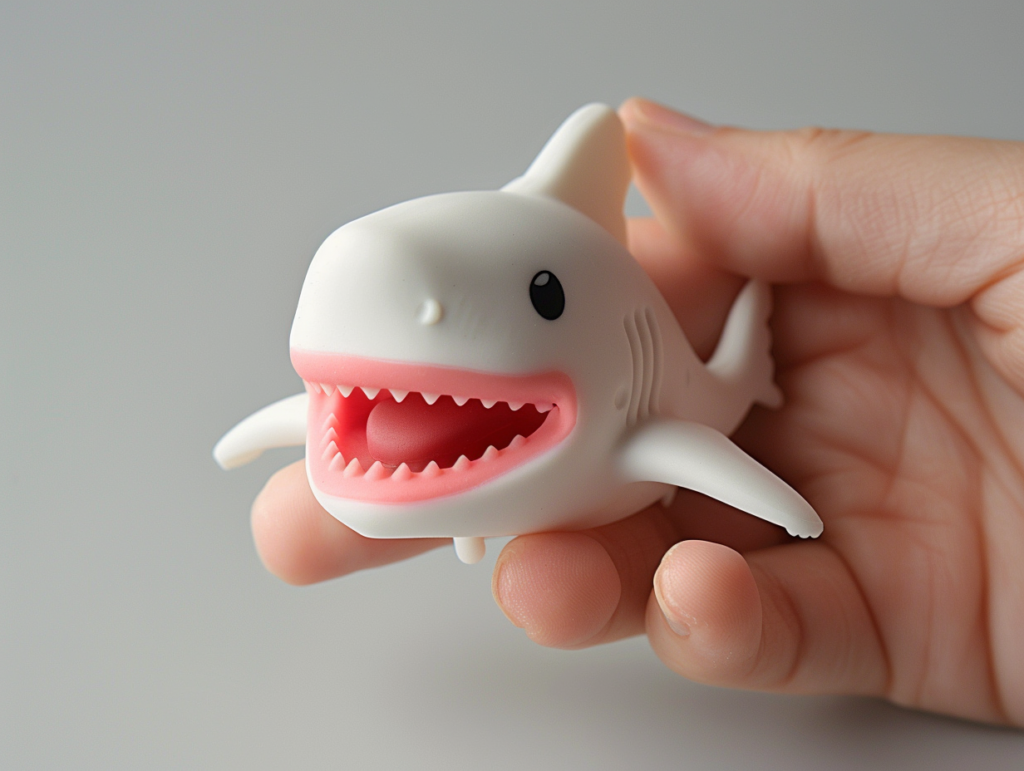
When your baby watches Sharky speak, tilt its head, and dance, their mirror neurons register those communicative patterns.
Even before they can form real words, the infant’s brain is actively practicing the rhythms of social conversation, facial response, and emotional expression, laying a strong foundation for future language skills.
“Unlike hard plastic rings, a silicone hand teether bends with every bite.”
Activating the Fusiform Face Area
The human brain features a highly specialized neural network called the Fusiform Face Area (FFA), which is dedicated entirely to tracking and decoding faces.
Sharky’s oversized, friendly eyes and expressive open mouth serve as a fantastic visual target for this brain region.
Activating the FFA early through playful eye contact helps accelerate your baby’s ability to read subtle facial cues and decode emotional expressions.
Advanced Dual Attention Processing
When your baby plays with Sharky, they are practicing a high-level cognitive skill known as divided attention.
Their hands are busy exploring the physical weight and squishy texture of the silicone, while their eyes are actively tracking the puppet’s movements and listening to your voice.
This multi-sensory processing exercises the prefrontal cortex, strengthening the core working memory paths required for future academic learning.
The Sharky Silicone Hand Teether Zone Analysis
Let us perform a thorough engineering breakdown of Sharky’s multi-textured architecture, mapping out how each specific zone acts as a targeted therapeutic tool:
The Dorsal Fin — Anterior Incisor Relief
The raised, triangular fin on Sharky’s back provides a firm, focused surface. This zone is sized perfectly to match the front of your baby’s mouth, delivering direct counter-pressure to help soothe the intense swelling that occurs when the central and lateral incisors begin to surface.
The Tail Fin — Dual-Point Posterior Access
The classic bifurcated tail creates two distinct, angled points of pressure within a single shape. This geometry allows the baby to guide the tail deep into the back corners of their mouth, safely massaging the posterior molar regions without triggering a common gag reflex.
The Engineered Shark Scales
The flanks of the teether feature rows of raised, multi-level silicone ridges that mirror natural dermal denticles. This varied texture acts like a soft, soothing gum brush, helping clear away local fluid retention and providing a satisfying, scratch-like relief to hot, itchy tissues.
The Open Jaw Zone
The wide, smiling mouth of the shark introduces an engaging structural curve. Your infant can loop their jaw directly inside the opening, allowing the top and bottom dental arches to receive a balanced, simultaneous massage from the textured silicone teeth.
The Rounded Snout
The smooth, curved front nose provides a broad, gentle surface for the earliest stages of teething, when an infant’s mouth is hypersensitive and requires uniform, calming pressure rather than intense textured friction.
The Internal Finger Puppet Chamber
The large hollow center serves a dual purpose. For the parent, it acts as a comfortable pocket for your finger to animate the toy. For the baby, it provides a lightweight, easy-to-grip opening that works beautifully with their early palmar grasp, allowing for confident, independent play.
*“You can chill this silicone hand teether in the fridge for 20 minutes.”
👉 Shop Sharky Now — Single & Duo Packs Available
👉 Explore Our Full Teething Collection
Benefits by Age: Sharky Grows With Your Baby
The Sharky collection is a long-term resource designed to adapt as your child navigates their early developmental milestones:
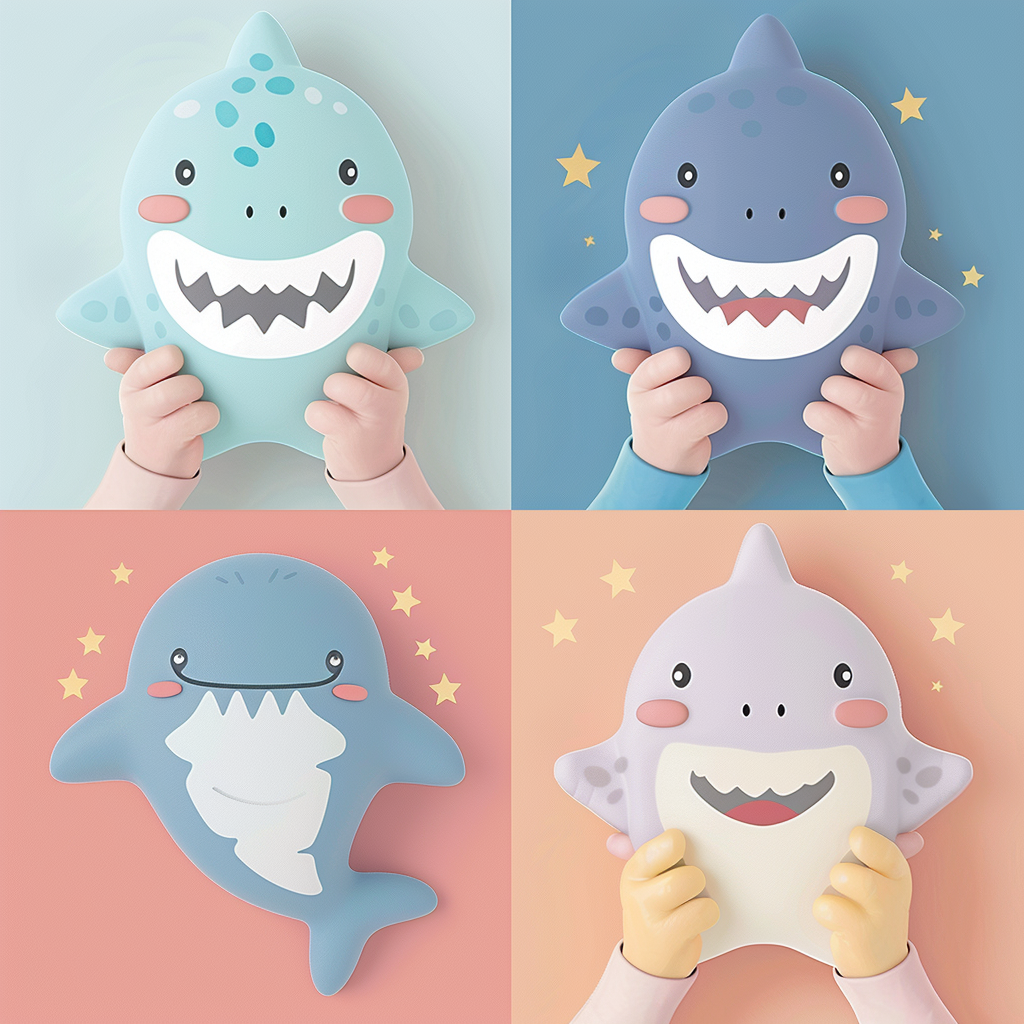
3 Months+: Early Sensory Awakening
At this stage, the tooth crowns are moving deep within the jawbone. The infant uses the open finger chamber to practice their early grasp reflexes, while parents use the puppet feature to provide high-contrast visual tracking practice that strengthens ocular muscles.
6 Months+: Peak Front-Tooth Comfort
As the central front incisors begin to pierce the tissue, the baby will actively chew on Sharky’s dorsal fin and open jaw.
- Researcher’s Strat: Place Sharky in the refrigerator for twenty minutes before play. The dense silicone will hold a safe, refreshing chill that constricts local blood vessels and naturally numbs the sore gum line.
9 Months+: Reaching the Back Molars
When the wider primary molars begin their descent, your baby will discover the unique utility of the bifurcated tail fin, sliding the flexible extensions past their front lips to apply deep, satisfying pressure directly to the back corners of their jaw.
12 Months+ and Beyond: Creative Storytelling
Once the intense early teething phases wrap up, Sharky transitions into a fantastic tool for imaginative play. Your toddler will use the finger puppet teether baby tool as a character in complex bath time stories, practicing marine vocabulary and engaging in cooperative games with siblings.
“Every silicone hand teether from our collection is BPA-free and dishwasher safe.”
The Bonding Science: Why Playing With Sharky Lowers Stress
Teething surges can be incredibly draining, often pushing parents and infants into a shared cycle of stress and exhaustion.
Landmark research led by Dr. Ruth Feldman (2007) on parent-infant neurobiology reveals that coordinated, face-to-face play triggers an immediate release of oxytocin—the primary hormone responsible for bonding and emotional safety—in both the parent’s and the baby’s bloodstreams.
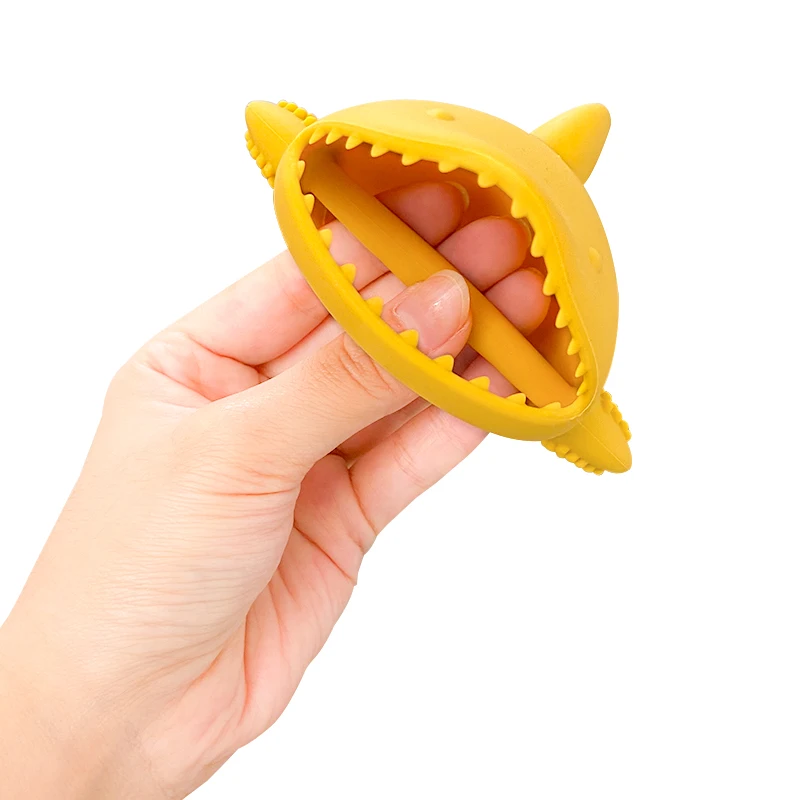
When you slide Sharky onto your finger, modulate your voice, and interact directly with your child, you are creating a reliable neural loop of safety and connection.
“From 3 months to 2 years, a silicone hand teether adapts to every stage.”
The infant’s attention shifts away from their physical discomfort and locks onto your responsive facial expressions and the playful movements of the puppet.
This interactive distraction drops their heart rate and regulates their nervous system far more effectively than isolated self-soothing alone.
Sharky is far more than a simple teething accessory; it functions as a highly effective tool for building a secure emotional attachment during challenging developmental transitions.
Safety & Certifications
When introducing any object into an infant’s oral cavity, safety metrics must be fully transparent and verified to premium global baselines.
| Safety Baseline Metric | Certification Status | Direct Parent Benefit |
| Material Base Purity | 100% Medical-Grade Silicone | Completely inert, hypoallergenic, and non-toxic. |
| Chemical Analysis | BPA, Phthalate, & Lead-Free | Total protection for the developing endocrine system. |
| Mechanical Security | Monobloc Solid Mold (One-Piece) | Zero Choking Hazard. No fins or eyes can snap loose. |
| Surface Finish | Dye-Infused Base Polymer | No surface paints, lacquers, or varnishes to chip or flake. |
| Thermal Range | Dishwasher, Boiler, & Fridge Safe | Effortless cleaning and safe option for cooling therapy. |
How Sharky Compares to Traditional Teethers
| Teether Model | Safety Profile | Puppet Function | Multi-Texture | Parent Interaction |
| Sharky Silicone Puppet | Maximum | Yes (Full Chamber) | Exceptional (5 Zones) | Exceptional (Co-Op) |
| Classic Teething Ring | Good | No | Low | Poor (Passive) |
| Wearable Hand Mitt | High | No | Moderate | Poor |
| Natural Wooden Toy | Medium (Porous) | No | Low | Moderate |
“The Sharky silicone hand teether is safe for babies from 3 months.”
FAQ: Expert Answers to Parent Questions
1. How do I properly use the finger puppet feature to soothe my baby?
Simply slide your index finger into the internal chamber to animate the shark’s head and mouth. Use gentle, playful movements to capture your baby’s eyes, allowing them to track the toy visually before they reach out to grab and chew the textured edges.
2. Is Sharky completely safe for newborns and 3-month-old infants?
Yes, absolutely. The teether is explicitly certified for infants starting at 3 months of age. Its lightweight, hollow center handles beautifully with an early palmar grasp, preventing muscle fatigue while they play.
3. Can I safely place Sharky into the deep freezer for faster relief?
No, please keep it in the refrigerator only. Deep freezing makes high-density silicone far too rigid and cold, which can easily cause cold burns to the sensitive skin inside your baby’s mouth. A 20-minute chill in the fridge provides perfectly safe, soothing cryotherapy.
4. How do I maintain perfect hygiene inside the finger puppet chamber?
Because Sharky is engineered from non-porous, premium medical silicone, it naturally repels moisture and bacteria. For easy cleaning, simply rinse it with warm soapy water or place it directly on the top rack of your dishwasher for high-heat sterilization.
5. Is this design a good baby shower gift for families who love marine life?
It is an outstanding gift choice. Experienced parents love it because it successfully combines verified pediatric safety and multi-textured oral relief with a fun, interactive play concept that brings real joy to the nursery.
“Choose the Sharky silicone hand teether for safe, interactive teething relief.”
Whispers from the Ages — Sharks in Human Culture
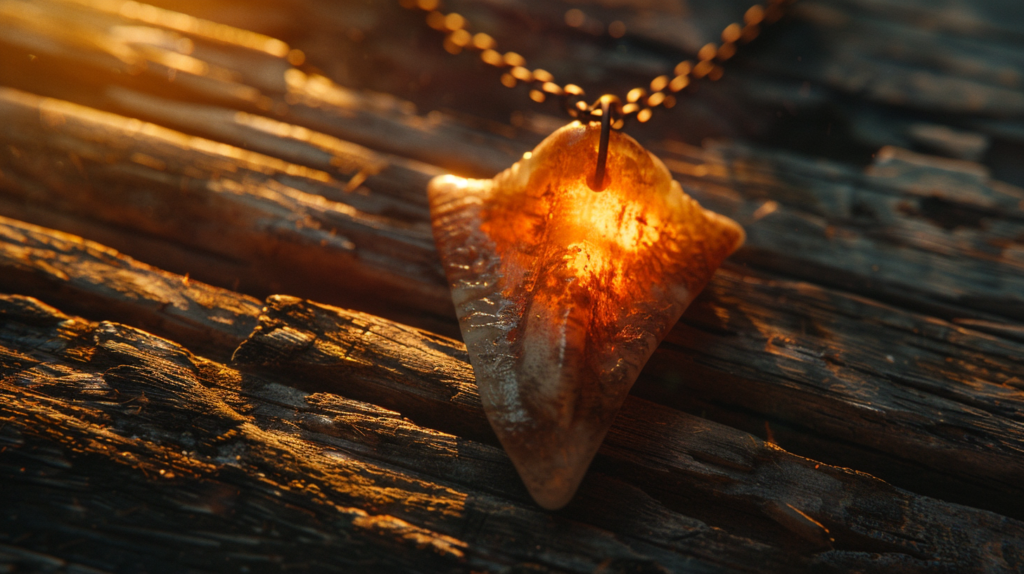
The image of the shark has held a powerful place of honor, protection, and respect across human history long before modern oceans were mapped.
⚠️ AGELESS CAUTION: These practices come from traditions, often thousands of years old. They have not been validated by modern controlled scientific studies. They may carry risks of allergy, choking, toxicity, or simple ineffectiveness. They do not replace medical advice or proven treatment. Use at your own responsibility, and only after speaking with your child’s health professional.
In the rich mythology of traditional Hawaiian and Polynesian maritime cultures, the shark was frequently celebrated as an Aumakua—a sacred ancestral guardian spirit that watched over families and protected young children from harm.
Along the coastal villages of historic Japan, the shark was revered as a powerful symbol of physical strength, resilience, and health. Caregivers displayed shark motifs in the home to ward off early childhood illnesses.
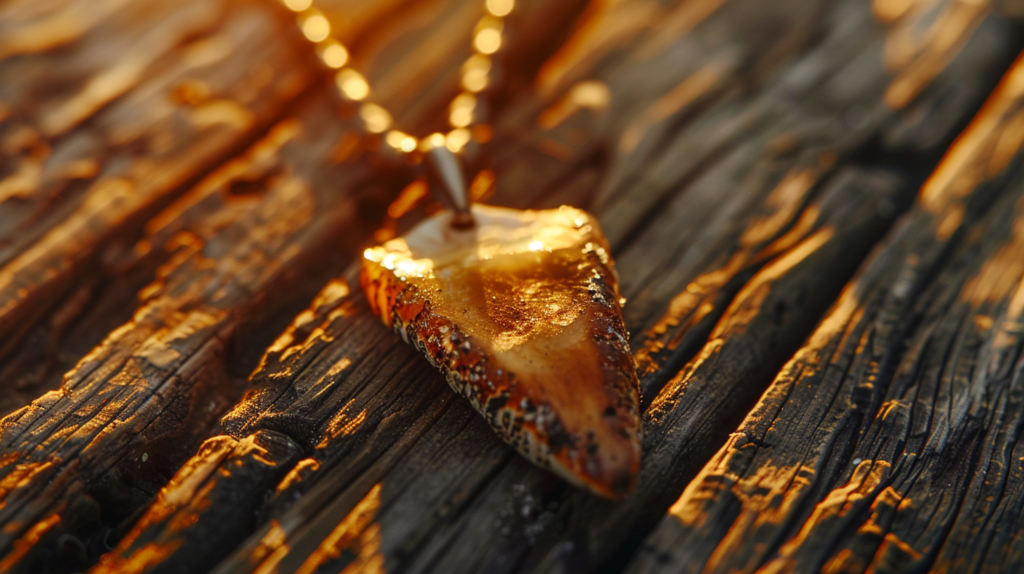
Similarly, among specific Australian Aboriginal communities, polished shark teeth were historically used as highly respected ceremonial tokens to bless newborn infants, marking their transition into a life of strength and endurance.
The Sharky teether honors this deep cross-cultural lineage. It takes a classic symbol of natural power and protection and upgrades the medium, using modern medical-grade silicone to deliver absolute safety for today’s growing children.
“Every silicone hand teether we sell is certified BPA-free and phthalate-free.”
The Voss Verdict: An Apex Companion for Your Nursery
When we look back at the incredible biology of the shark—replacing 50,000 teeth with perfect evolutionary efficiency—it becomes clear why this form is so deeply cued to infant oral care.
Your baby will only grow twenty primary teeth during their first three years of life, but that short window requires an intense amount of structural adaptation, physical effort, and sensory exploration.
The Sharky Silicone Hand Teether is a brilliant example of purpose-driven child product engineering.
By taking the natural flexibility and rich textures of an ocean explorer and combining them with an interactive finger puppet chamber, this tool completely leaves behind the limitations of old-fashioned teething rings.
It protects your little one from the chemical risks of low-grade plastics and the mechanical dangers of multi-piece toys, while providing an engaging, interactive loop that turns a painful teething wave into a calm, connected moment for the whole family.
For parents eager to step into the teething season with absolute confidence and humor, Sharky is a highly reliable, S-tier addition to the modern nursery.
“You can sterilize this silicone hand teether in boiling water or the dishwasher.”
Also perfect for anti-drop teething: the Little Dino Wearable Hand Teether — stays on baby’s hand all day.
For the complete science: Understanding Teething in Babies — Complete 2026 Encyclopedia
Expert guide: Easing Teething Discomfort — Complete Science-Backed Guide
Sources & References
- AAP — Teething Pain Relief, 2023
- FDA — Safely Soothing Teething Pain, 2023
- Memarpour et al. — Teething Symptoms Study, 2015
- Feldman — Oxytocin & Parent-Infant Bonding, 2007
- NAEYC — The Role of Play, 2018