Natural Organic Teething Toys vs Plastic Rings: A Guide to Soothing Your Baby’s Gums
As a parent, there’s nothing more heartbreaking than seeing your little one in distress due to teething pain. You want to do everything in your power to soothe their gums and make them feel better. But with so many teething toys on the market, it can be overwhelming to choose the right one. Are natural organic teething toys really better than plastic rings? Let’s dive into the world of teething and explore the best options for your baby.
Teething is a natural process, but it can be a challenging time for both babies and parents. Your baby’s gums can become swollen and sore, causing them to become irritable and fussy. As a parent, you want to find a way to ease their discomfort and make them feel comfortable again.
The central question on every parent’s mind is: what are the safest and most effective teething toys for my baby?
Understanding Teething and Teething Symptoms

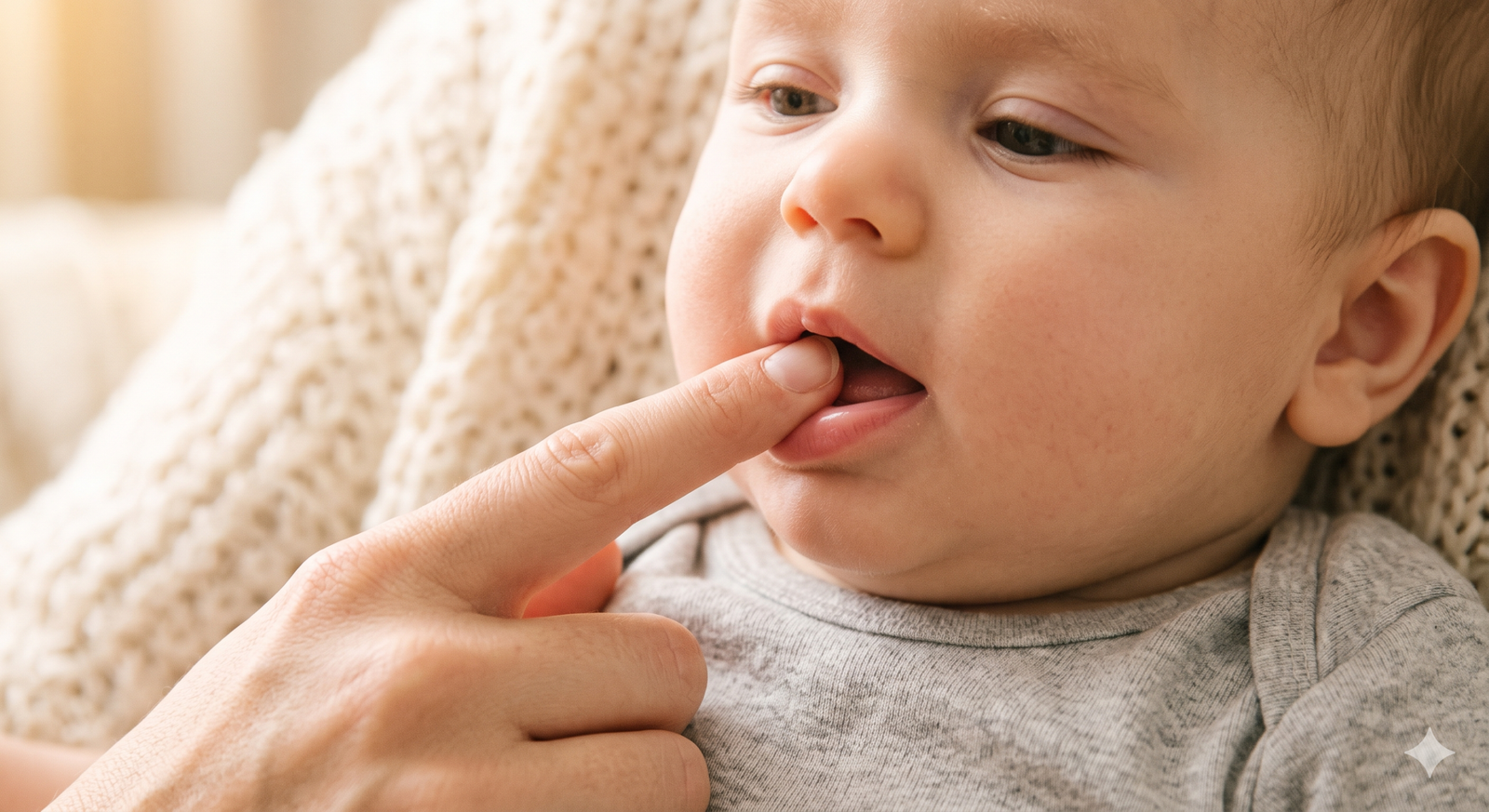
Before we dive into the world of teething toys, let’s talk about teething itself. Teething typically starts around 6 months old, but it can begin as early as 3 months or as late as 12 months. During this time, your baby’s teeth are pushing through their gums, causing discomfort and pain.
The most common teething symptoms include drooling, gnawing or chewing on objects, irritability, and swollen gums. Some babies may also experience a low-grade fever, but this is not always the case.
Natural Organic Teething Toys: A Safer Alternative
Natural organic teething toys are made from non-toxic materials, such as wood, bamboo, and cotton. These toys are designed to be gentle on your baby’s gums and are free from harsh chemicals and dyes. Some popular natural organic teething toys include:
- Wooden teething rings
- Bamboo teething toys
- Cotton teething pads
- Silicone teething toys made from food-grade materials
These toys are not only safer for your baby, but they’re also more eco-friendly and sustainable. Plus, they’re often more durable and long-lasting than plastic teething toys.
The Risks of Plastic Teething Rings

Plastic teething rings may seem like a convenient and affordable option, but they can pose a risk to your baby’s health. Many plastic teething toys contain BPA, phthalates, and other harsh chemicals that can leach into your baby’s mouth. These chemicals have been linked to a range of health problems, including:
- Hormone disruption
- Neurological damage
- Cancer
In addition to the health risks, plastic teething toys can also be a choking hazard if they break apart or if your baby manages to detach a small part.
What You Can Do Tonight
So, what can you do to soothe your baby’s gums and keep them safe? Here are some practical steps you can take tonight:
- Choose natural organic teething toys made from non-toxic materials
- Avoid plastic teething rings and toys that contain BPA and phthalates
- Opt for teething toys that are designed for your baby’s age and stage of development
- Supervise your baby during teething toy use to ensure their safety
- Clean and sanitize teething toys regularly to prevent the spread of bacteria
By taking these steps, you can help ease your baby’s teething pain and keep them safe from harm.
A Surprising Share-Worthy Insight
Did you know that some natural organic teething toys can be made at home? You can create your own teething toys using everyday items like frozen washcloths, cold teething pads, and even frozen fruit like bananas and apples. These homemade teething toys can be just as effective as store-bought options and are often more affordable and eco-friendly.
Whispers from the Ages
In many traditional cultures, teething toys were made from natural materials like wood, bamboo, and cotton. These toys were designed to be safe, durable, and effective, and were often passed down from generation to generation.
Warning: Always prioritize your baby’s safety and health when choosing teething toys. While natural organic teething toys are generally safer than plastic rings, it’s still important to supervise your baby during use and ensure that the toys are clean and well-maintained.
Call to Action
Now that you know the benefits of natural organic teething toys, it’s time to make a change. Share this article with a parent who needs it, and leave a comment with your own teething story! By working together, we can create a safer and healthier environment for our babies to thrive.
Some other articles you may find helpful include:
- The Best Teething Toys for Babies
- How to Soothe Your Baby’s Teething Pain
- The Importance of Oral Health for Babies
Remember, every baby is unique, and what works for one may not work for another. But by choosing natural organic teething toys and prioritizing your baby’s safety and health, you can help them navigate the challenges of teething and develop a strong, healthy smile.
Sources:
American Academy of Pediatrics (AAP), 2020
American Academy of Pediatric Dentistry (AAPD), 2020
World Health Organization (WHO), 2019
Cochrane, 2020
European Academy of Paediatric Dentistry (EAPD), 2020
🦷 Dr. Elara Voss Clinical Recommendation
Don’t let your little one suffer through painful sleepless nights. Discover our clinically certified amber necklaces & organic soothing teethers at the Official TeethingForBaby Store. Apply VIP code ARIA15 at checkout for an instant 15% discount!