How Teething Impacts Solid Food Introduction: Adapting Baby-Led Weaning
As a parent, introducing solid foods to your baby is an exciting milestone, but it can also be a challenging time, especially when teething is involved. You may have noticed that your little one is becoming more fussy with their food, or perhaps they’re having trouble gumming down those first bites of solids. Teething symptoms can make mealtime a struggle, but don’t worry, you’re not alone.
Many parents have been in your shoes, navigating the world of baby-led weaning while dealing with teething pain. It’s essential to understand how teething impacts solid food introduction and find ways to adapt your approach to make mealtime more enjoyable for both you and your baby.
So, how can you introduce solid foods to your teething baby, and what are the best ways to adapt baby-led weaning to make this transition smoother?
Central Question: How Does Teething Affect Solid Food Introduction?

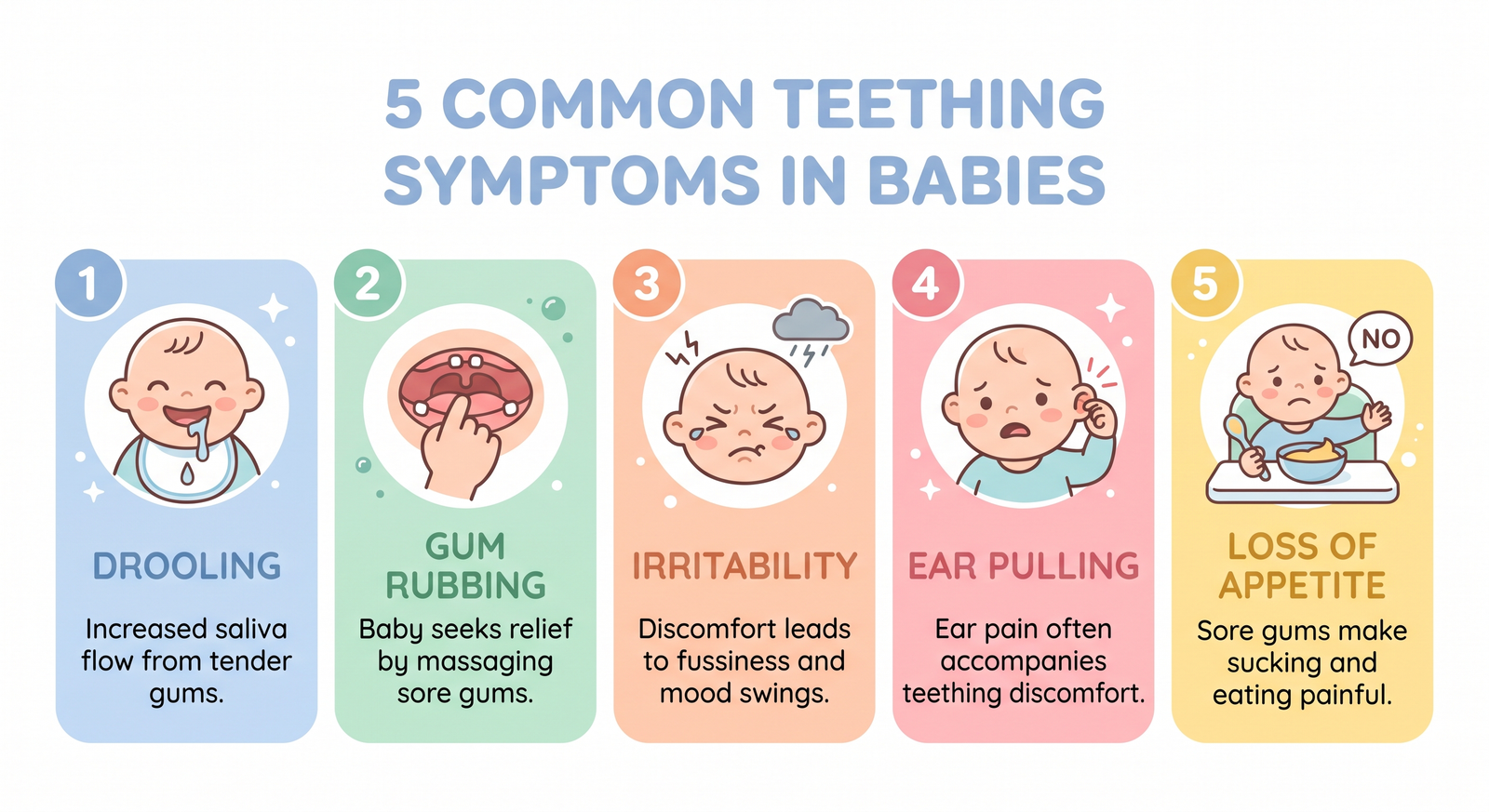
Teething can significantly impact your baby’s ability to eat solid foods, especially during the initial stages of introduction. When babies are teething, they often experience:
- Gum pain and inflammation, making it uncomfortable for them to chew and swallow solid foods.
- Increased drooling, which can lead to a decrease in appetite and a higher risk of choking.
- Irritability and fussiness, making mealtime more challenging and stressful for both baby and parent.
Science-Backed Answer: Understanding Teething and Solid Food Introduction

According to the American Academy of Pediatrics (AAP), teething typically starts around 6 months of age, with the first teeth erupting through the gums. This process can continue until your baby is about 3 years old. During this time, it’s essential to introduce solid foods in a way that accommodates your baby’s teething needs.
The American Academy of Pediatric Dentistry (AAPD) recommends introducing solid foods at around 6 months of age, starting with single-ingredient, iron-rich foods. However, when teething is involved, it’s crucial to be patient and flexible with your approach.
Adapting Baby-Led Weaning for Teething Babies
Baby-led weaning (BLW) is an approach to introducing solid foods that allows babies to self-feed and explore different tastes and textures. When adapting BLW for teething babies, consider the following tips:
- Start with soft, easy-to-chew foods, such as mashed bananas or avocados, to reduce discomfort and pain.
- Offer teething-friendly foods, like cold, pureed fruits or vegetables, to help soothe sore gums.
- Use a teething-friendly utensil, such as a soft-tipped spoon or a teething spoon, to make mealtime more comfortable.
What You Can Do Tonight: Practical Tips for Teething Babies
To make mealtime more enjoyable for your teething baby, try the following:
- Keep mealtime short and sweet, aiming for 10-15 minute feeding sessions to avoid overwhelming your baby.
- Offer a teething toy or cold compress before mealtime to help soothe sore gums.
- Be patient and flexible, remembering that every baby is different, and what works today may not work tomorrow.
Surprising Share-Worthy Insight: Teething and Solid Food Introduction
Did you know that teething can actually help your baby develop important oral motor skills, such as chewing and swallowing, which are essential for eating solid foods? By adapting your approach to baby-led weaning and being patient with your teething baby, you can help them develop a healthy relationship with food and reduce the risk of mealtime struggles.
Whispers from the Ages: Ancestral Wisdom
In many traditional cultures, teething babies were given natural remedies, such as frozen breast milk or pureed fruits, to help soothe sore gums. While these approaches may not be supported by modern science, they highlight the importance of being gentle and patient with your baby during this time.
Warning: Always consult with your pediatrician before trying any new remedies or approaches, especially if your baby has a history of allergies or sensitivities.
Call to Action: Share Your Story and Support Other Parents
If you’re a parent who has navigated the challenges of teething and solid food introduction, we’d love to hear your story! Share this article with a parent who needs it, and leave a comment with your own teething story. By supporting each other and sharing our experiences, we can create a community that helps parents thrive during this exciting and sometimes challenging time.
Internal linking suggestions: Teething Symptoms: What to Expect, Baby-Led Weaning: A Beginner’s Guide, Teething Remedies: What Works and What Doesn’t
Sources: American Academy of Pediatrics (AAP), American Academy of Pediatric Dentistry (AAPD), World Health Organization (WHO)
🦷 Dr. Elara Voss Clinical Recommendation
Don’t let your little one suffer through painful sleepless nights. Discover our clinically certified amber necklaces & organic soothing teethers at the Official TeethingForBaby Store. Apply VIP code ARIA15 at checkout for an instant 15% discount!